
Guide
The Equipment Still Runs. But Is It Holding Your Business Back?
A machine that still works is easy to keep. The question Illinois manufacturers, shops, kitchens and clinics should ask is not whether it runs, but what it is quietly costing in capacity, scrap, downtime and jobs turned away. Here is how to decide between repairing, replacing and upgrading, and how to evaluate the financing honestly.
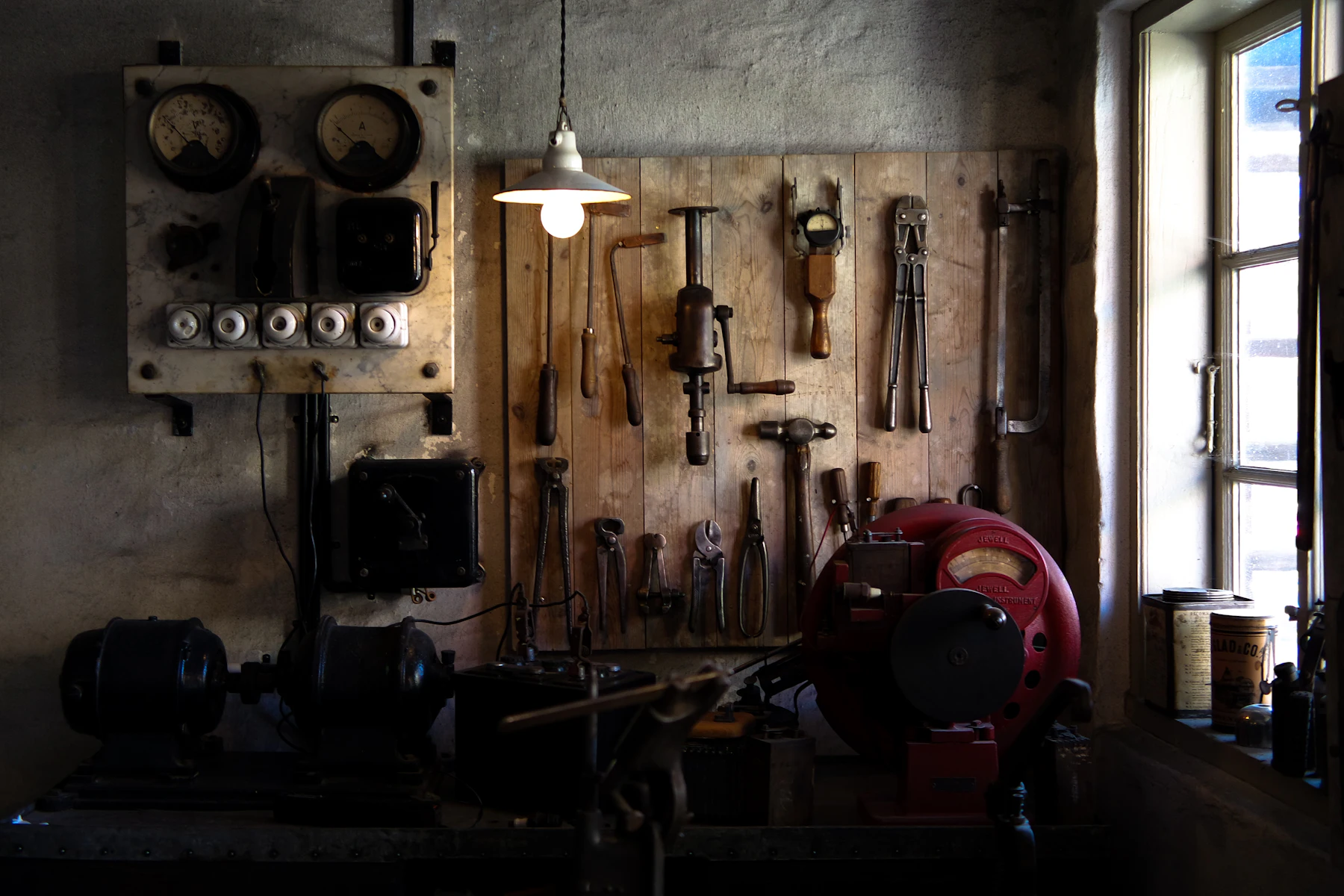
When Should a Business Replace Equipment That Still Runs?
When the cost of keeping it, measured as repair spend, downtime, scrap, energy and the work you cannot accept, exceeds the payment on its replacement. Illinois small businesses employ 239,226 people in manufacturing alone, and most of those shops run at least one machine that limits throughput. Repair when the fix is small and the asset has years left; replace when repair spend and downtime are climbing; upgrade when a newer machine adds capacity the current one cannot. Equipment financing or a term loan matches the payment to the years the machine earns, and a broker such as RAN Funding takes one application for its lender network and assigns one dedicated specialist to find the fit.
The Hidden Cost of “It Still Runs”
Illinois is a manufacturing state in a way the coasts are not: manufacturing is the third-largest small-business employer here, behind only health care and food service, and small Illinois firms exported $17.6 billion of goods in 2023. That means a great many owners in Rockford, Elgin, Joliet, Peoria and the Chicago suburbs are running machines bought a decade or two ago, kept alive by a good maintenance tech and a shelf of spare parts. The machine runs. The bill for keeping it is spread across so many line items that nobody sees it whole.
Add them up and the picture changes. Unplanned downtime that idles a crew for a shift. Scrap and rework from a machine that no longer holds tolerance. Energy use a newer unit would halve. Overtime because the old line runs slower than the order book. And the largest cost of all, the one that never appears on a statement: the quote you did not bid because the shop could not hold the delivery date. A machine that still runs can be the single biggest constraint on revenue in the building.
Repair, Replace or Upgrade: a Decision Framework
The fix is a small fraction of replacement cost, the asset has years of useful life left, downtime has been rare, and the machine is not the bottleneck. Fund it from cash or a line of credit and move on.
Repair spend over the past year is approaching a meaningful share of a new unit’s cost, failures are more frequent, parts are hard to source, or a failure would stop production for more than a day. Replace like for like on financing matched to the new asset’s life.
The current machine works but caps throughput, precision or product range, and there is demand you are turning away. A newer or larger machine is a revenue decision, not a maintenance one, and it is evaluated against the gross profit it unlocks.
The framework is less about the machine than about the order book. If customers are waiting, the upgrade case usually writes itself. If they are not, replacement is a cost-control decision and repair is often right.
An Illinois Example: the Mill That Still Runs
A precision machine shop in Rockford, twelve years in business with about $3.1 million in revenue, runs a vertical machining center bought used in 2011. It works. It also:
The shop is spending $27,000 a year to keep a machine that costs it several hundred thousand dollars of quotes. A new center with a pallet changer runs unattended between shifts and holds tolerance the old one cannot. The decision is not whether the shop can afford the machine; it is whether it can afford to keep declining the work.
How to Evaluate the Financing Cost Without Fooling Yourself
Ask every lender or broker for the same four numbers: the amount financed, the term, the payment and the total payback. Ignore anything that is not one of those. Then put the payment next to the monthly gross profit the machine will add, using conservative volume, and next to the repair, overtime and scrap spend it will remove. If the payment is covered by the savings alone, the upgrade is close to free on a cash basis. If it needs the new revenue to pencil, ask how much of the declined work would realistically come back, and use half of it.
Two structural points matter as much as the numbers. Match the term to the asset: a machine that will run for ten years should not be paid for in eight months, and a repair that will last two years should not be financed over five. And keep the operating line separate: financing the machine on the equipment itself, rather than out of the working capital account, leaves cash for the tooling, the stock and the operator the new capacity needs. RAN Funding’s business loan payment calculator lays out payment against term for any amount.
Which Product Fits Which Decision
Upgrade or replace: equipment financing or a business term loan
Equipment that can secure the financing is usually funded on the vendor quote and the business’s cash flow, with the term set to the machine’s working life and the equipment itself as collateral, which is why approval leans less on the owner’s personal credit. A business term loan fits a package of equipment, rigging, installation and the tooling to run it.
Repairs and the stock to run the new machine: line of credit or working capital
A business line of credit covers repairs, tooling and the raw material a faster machine consumes, drawn as needed and repaid as the work ships. When a machine fails without warning and the replacement has to be ordered this week, a working capital loan funds in 24 to 48 hours of a signed offer and can be refinanced into equipment financing once the quote is verified. All three are placed from one application through the RAN Funding lender network.
What an Equipment File Needs
- The vendor quote with model and serial numbers, installation and any rigging.
- Three months of business bank statements; twelve if the business is seasonal or had a large project last year.
- Last year’s repair and downtime record for the machine being replaced; it is the strongest argument in the file.
- Two years of tax returns and a current P&L for a term loan or a larger package.
- Every open position, including existing equipment leases and any advance.
Checking your options is a soft inquiry and takes about five minutes. One application for our lender network, and one dedicated funding specialist comes back with the offers that fit the machine and the term, with every number explained before you sign. Apply online or call 877-522-6045.
Stop paying to keep the bottleneck. Check your Illinois equipment financing options — about five minutes, three months of statements, and a soft inquiry only.
Common Questions
Can an Illinois business finance used or refurbished equipment?
Usually, when it is bought from a dealer and can be valued. The term is set to the remaining working life of the asset, and private-party purchases are harder to finance.
How do I compare two equipment financing offers?
Ask each for the amount financed, the term, the payment and the total payback, and compare only those four numbers. Then check whether the payment is covered by the savings and added gross profit the machine produces at conservative volume.
Does financing a machine use up my line of credit?
Not if it is financed on the equipment itself. Keeping the machine on its own financing leaves the operating line free for tooling, stock and staff.
Is RAN Funding a lender in Illinois?
No. RAN Funding is a business financing broker. It does not lend; it places one application with a network of lenders, including those that finance equipment on the vendor quote, and explains the four numbers on every offer before you sign.
Sources
- 2025 Small Business Profile: Illinois — U.S. Small Business Administration, Office of Advocacy, June 2025
See What You Qualify For
One application, about five minutes, soft pull only. A funding specialist comes back with the offers you qualify for — and explains every term before you sign.
Read Next: Financing the Machine and the Work It Wins