
Roofing
Roofing Business Loans and Financing
Roofing runs on storm seasons, big material orders and insurance payments that land weeks after the job is done. Capital for shingles, crews and equipment — underwritten from your bank statements, funded in as little as 24–48 hours.
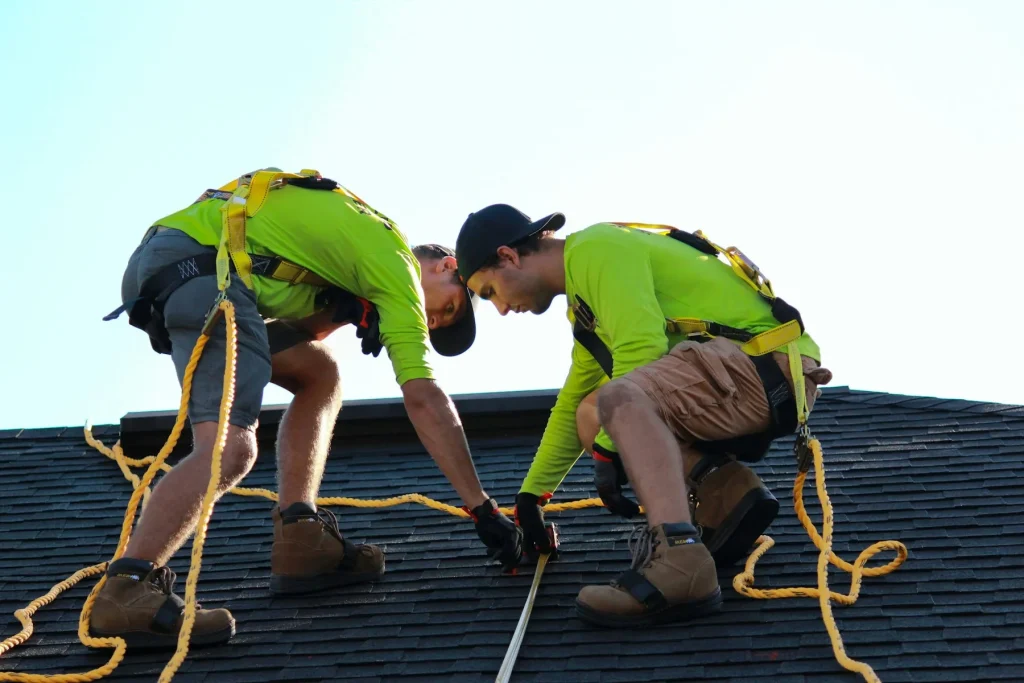
How Do Roofing Contractors Get Business Financing?
Most roofing contractors use a cash-flow product — working capital, a line of credit or receivables financing — approved from the last 3 months of business bank statements (4 in some states) rather than a full financial package. Established roofers with 1+ year in business and $20,000+ in monthly revenue can see offers from $20,000 to $500,000+, often funded in as little as 24–48 hours once approved.
Why a Roofing Business Needs Financing Built Differently
Roofing is a timing business. A hailstorm or hurricane can fill a year’s calendar in a week, and every one of those jobs needs materials, dumpsters and crews paid before the first check arrives. The work is profitable; the cash arrives late.
Insurance work stretches that gap further. Claim payments often come in stages — an initial check, then depreciation released after the job is complete — and supplements can take weeks to approve. Commercial jobs add retainage and net-30 to net-60 terms. Financing built for roofing reads that pattern instead of penalizing it.
What Owners Actually Use It For
- Materials for a full calendar: shingles, underlayment, metal and flashing bought ahead of storm season or in bulk at better pricing.
- Crew and subcontractor payroll while insurance payments and supplements are in process.
- Equipment and vehicles: trucks, trailers, dump trailers, lifts and safety gear.
- Taking on larger commercial jobs that require upfront material deposits.
- Bridging depreciation holdbacks and retainage without slowing the next job.
The Products That Fit Best
| Product | Why it fits roofing | Amounts |
|---|---|---|
| Working capital | Covers materials and payroll with minimal paperwork | $20,000 to $500,000+ |
| Line of credit | Draw for storm season, repay as claims pay, redraw | $20,000 to $500,000+ |
| Receivables financing | Advances against billed insurance and commercial invoices | Based on open invoices |
| Equipment financing | Trucks, trailers and lifts; the equipment is the collateral | Up to the full purchase price |
| Term loan | Planned expansion, a second crew or a new market | Up to $2,000,000 for qualified businesses |
Most roofing files are funded between $20,000 and $500,000+. One application for our lender network and one dedicated specialist means what comes back is a comparison rather than a single yes. The structural comparisons are in MCA vs business loan and working capital loan vs line of credit.
Requirements and Documents
- 1+ year in business as an operating roofing company.
- $20,000+ in monthly revenue — most clients bring in $20,000+ a month in business deposits.
- 3 months of business bank statements (some states require 4).
- A one-page signed application. Term loans and SBA also need tax returns and financials.
Credit is considered, not decisive. Revenue-based products weigh your deposits more heavily than your score; lines of credit need 650+. Deposits that swing with storm season are normal — specialists look at the pattern across your statements, not one month.
How Fast the Money Arrives
Working capital and revenue-based options can fund in as little as 24–48 hours once approved. Lines of credit and equipment financing typically take 48–72 hours, and receivables financing about a week to set up. Your specialist gives you the realistic timeline before you commit.
How the Amount Is Sized
Offers are sized mainly from your average monthly deposits, the consistency of those deposits and any existing obligations. A contract or approved insurance claim can support the request, but the bank statements carry the most weight on the fastest products.
The Next Step
A specialist who understands insurance cycles and storm-season swings reviews your file, explains every option in plain terms and brings back real offers. See what your roofing company qualifies for — it takes about a minute and won’t affect your credit.
Common Questions
Can I get funding while waiting on insurance claim payments?
Yes. Working capital, lines of credit and receivables financing are commonly used to cover materials and payroll while claim payments, supplements and depreciation holdbacks are in process.
Can I buy materials in bulk before storm season?
Yes, and it is one of the most common uses in roofing. A line of credit is often the best fit because you draw for the season and repay as jobs are paid.
Can I finance a truck, trailer or lift?
Yes. Equipment financing can cover up to the full purchase price, with the equipment itself as the collateral.
My deposits are much higher after a storm. Is that a problem?
No. Specialists look at the pattern across your statements, not one strong or weak month, and seasonal swings are expected in roofing.
Can a new roofing company qualify?
Not through these programs. They are built for roofing companies with at least one year in business and $20,000+ in monthly revenue.
Is RAN Funding a lender?
RAN Funding is a business financing broker, not a lender. One application reaches our lender network, and one dedicated specialist brings back the offers you qualify for with the term, payment and total cost side by side.
Sources
- Fund your business U.S. Small Business Administration
- Small Business Credit Survey, Report on Employer Firms Federal Reserve Banks
See What You Qualify For
One application, about five minutes, soft pull only. A funding specialist comes back with the offers you qualify for — and explains every term before you sign.
Go Deeper on the Right Structure