
Equipment financing · medical and dental
Medical and Dental Equipment Financing: Imaging, Chairs, Lasers and Practice Build-Outs
Practices get the lowest equipment rates of any industry in 2026 — essential equipment, licensed professionals, predictable collections. Here is how imaging, chairs, lasers, lab and surgical equipment are financed, what they cost, and how to fund a build-out alongside the equipment.
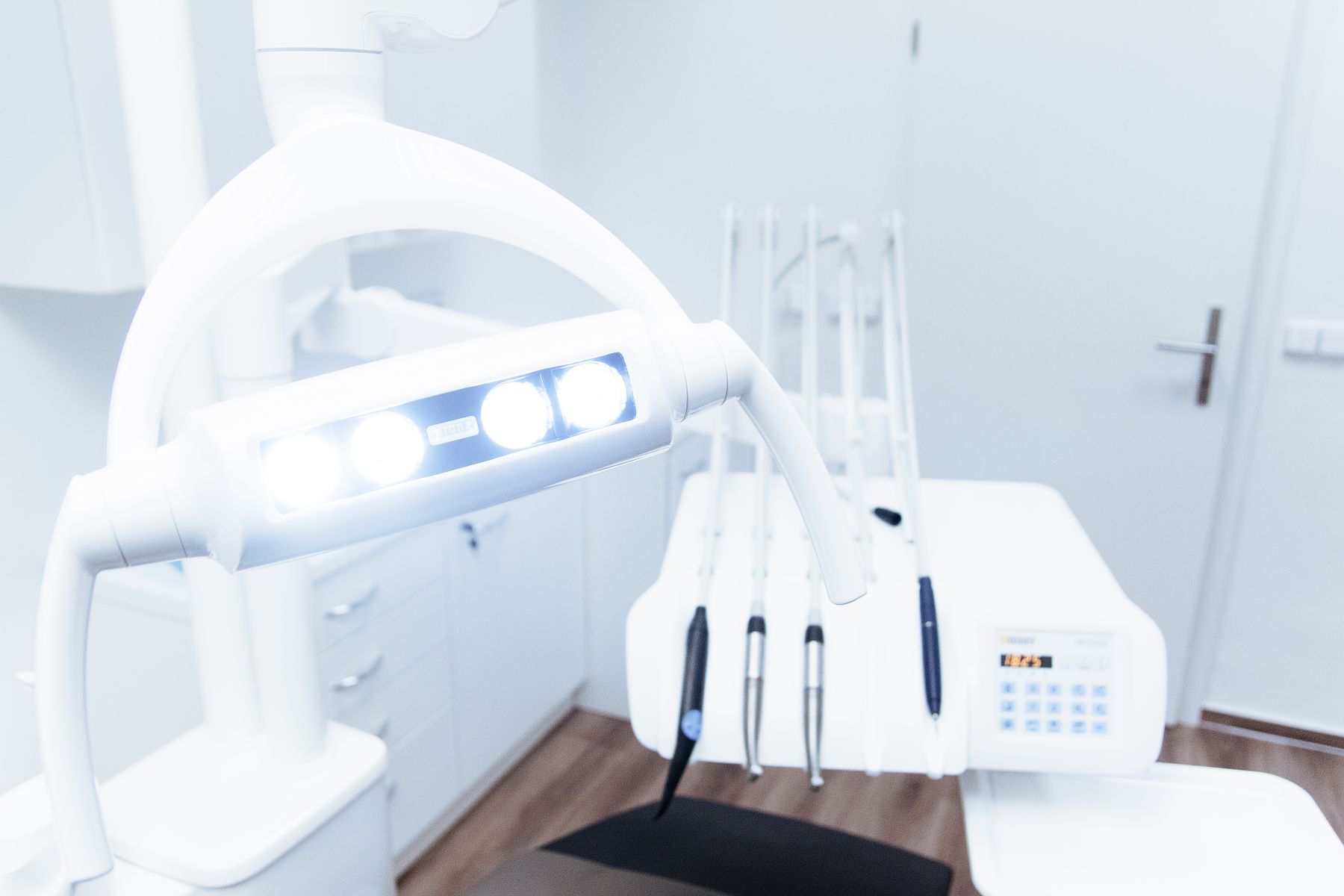
How Is Medical and Dental Equipment Financed?
Medical, dental and veterinary practices finance equipment with loans and leases of $10,000 to $2 million+ over 48 to 84 months, up to 100% of the invoice including installation and training, at rates of about 6% to 12% — the lowest tier in equipment finance. Approvals up to $300,000 are application-only; larger purchases and full build-outs use practice financials. Fair-market-value leases are common for technology replaced every four to five years (CBCT, digital sensors, lasers); loans or $1-buyout leases for chairs, sterilization and surgical equipment you will keep. The whole purchase is deductible in 2026 under Section 179.
What Medical and Dental Practice Businesses Finance
| Equipment | Typical cost | Typical term |
|---|---|---|
| Dental chair and delivery unit | $15,000–$40,000 | 60–84 months |
| Digital X-ray / CBCT | $30,000–$150,000 | 48–72 months |
| Intraoral scanner / CAD-CAM mill | $25,000–$150,000 | 36–60 months |
| Dental or dermatology laser | $30,000–$120,000 | 36–60 months |
| Ultrasound | $20,000–$150,000 | 48–72 months |
| Exam tables, autoclaves, lab equipment | $5,000–$60,000 | 36–60 months |
| Veterinary digital radiography, surgical suite | $40,000–$250,000 | 48–84 months |
| Practice build-out (equipment + fixtures) | $150,000–$1,000,000 | 60–120 months (SBA) |
Build-outs that combine equipment, fixtures and leasehold improvements are often best financed through an SBA 7(a) loan on a 10-year term, with the equipment loan covering the faster items.
Programs and Terms for Medical and Dental Practice
| Typical | |
|---|---|
| Deal size | $10,000–$2,000,000+ |
| Term | 48–84 months (36–60 on technology) |
| Down payment | 0% |
| Credit | 680+ for the best programs; 640+ standard |
| Time in business | Established practices; start-up practices with a signed lease and projections |
| App-only limit | Up to $300,000–$500,000 |
| Speed | 2–5 business days; build-outs 2–4 weeks |
Lenders treat licensed practitioners as the strongest equipment borrowers: 0% down and the longest terms are standard, and start-up practices qualify on the strength of the professional license and a lease.
Monthly payment on a $150,000 CBCT and chairs package
Illustrative. FMV lease payment assumes ~9% implicit rate and a 15% residual; it keeps the upgrade option on imaging technology.
How Lenders Look at Medical and Dental Practice Deals
- The practitioner: license, specialty, years in practice; the professional guarantee carries the deal.
- Collections: production and collections reports or bank deposits; insurance and cash mix.
- The equipment: major brands (A-dec, Planmeca, Dentsply Sirona, Carestream, GE, Philips) and vendor relationships; many lenders have captive programs with the dealers.
- Start-up practices: financed on the license, a signed lease, a business plan and often an SBA guarantee for the build-out.
- Technology refresh cycle: lenders expect imaging and scanners to be replaced in 4–5 years and structure accordingly.
Section 179 for Medical and Dental Practice Equipment in 2026
A practice adding $250,000 of imaging and chairs in 2026 can expense the full amount under Section 179, worth $55,000–$92,000 in federal tax for a practitioner at typical rates. The 2026 Section 179 limit is $2,560,000 with 100% bonus depreciation above it; equipment must be placed in service by 31 December. See Section 179 and equipment financing.
Getting the Best Deal
- Ask for vendor and captive programs — dealers often carry promotional rates on new imaging.
- Split the build-out: SBA 7(a) for leasehold improvements and the long-life items, an equipment loan for the fast ones.
- Lease the technology, own the chairs: match the structure to the replacement cycle.
- Use deferred payments on a new operatory so it is producing before the first payment.
- Buy before December for the Section 179 deduction against this year’s practice income.
How RAN Funding Places Medical and Dental Practice Equipment
Medical, dental and veterinary practices are among the industries we fund most. We place equipment loans and leases with practice-focused lenders, and SBA 7(a) files for build-outs and acquisitions, with one specialist across both. Related: Dental practice loans, equipment financing requirements, equipment financing rates.
Common Questions
What interest rate do dentists get on equipment financing?
Practitioners sit in the lowest tier: roughly 6% to 12% APR in 2026, with 0% down and terms up to 84 months, because the equipment is essential and the professional guarantee is strong.
Should I lease or buy dental imaging equipment?
Many practices lease CBCT, scanners and lasers on fair-market-value leases to upgrade every four to five years, and buy chairs, sterilization and surgical equipment they will keep for 10+ years.
Can a start-up practice finance equipment?
Yes. Lenders finance start-up practices on the professional license, a signed lease and projections, often alongside an SBA 7(a) loan for the build-out.
Can I finance a full practice build-out?
Yes. Equipment is financed on an equipment loan or lease; leasehold improvements, fixtures and working capital are usually financed through an SBA 7(a) loan on a 10-year term.
Sources
- Equipment loan rates by industry 2026 — Crestmont Capital
- Equipment loan rates in 2026 — Equipment Financing HQ
- Section 179 deduction guide 2026 — Block Advisors
See What You Qualify For
One application, about five minutes, soft pull only. A funding specialist tells you up front whether SBA is realistic for your file — and which faster products fit if it is not.
More on Equipment Financing