
Electrical contractors
Electrical Contractor Loans and Financing
Wire and gear are paid for at purchase; the job pays in 60 days. Capital for materials, licensed crews and equipment — underwritten from bank statements, not a full financial package.
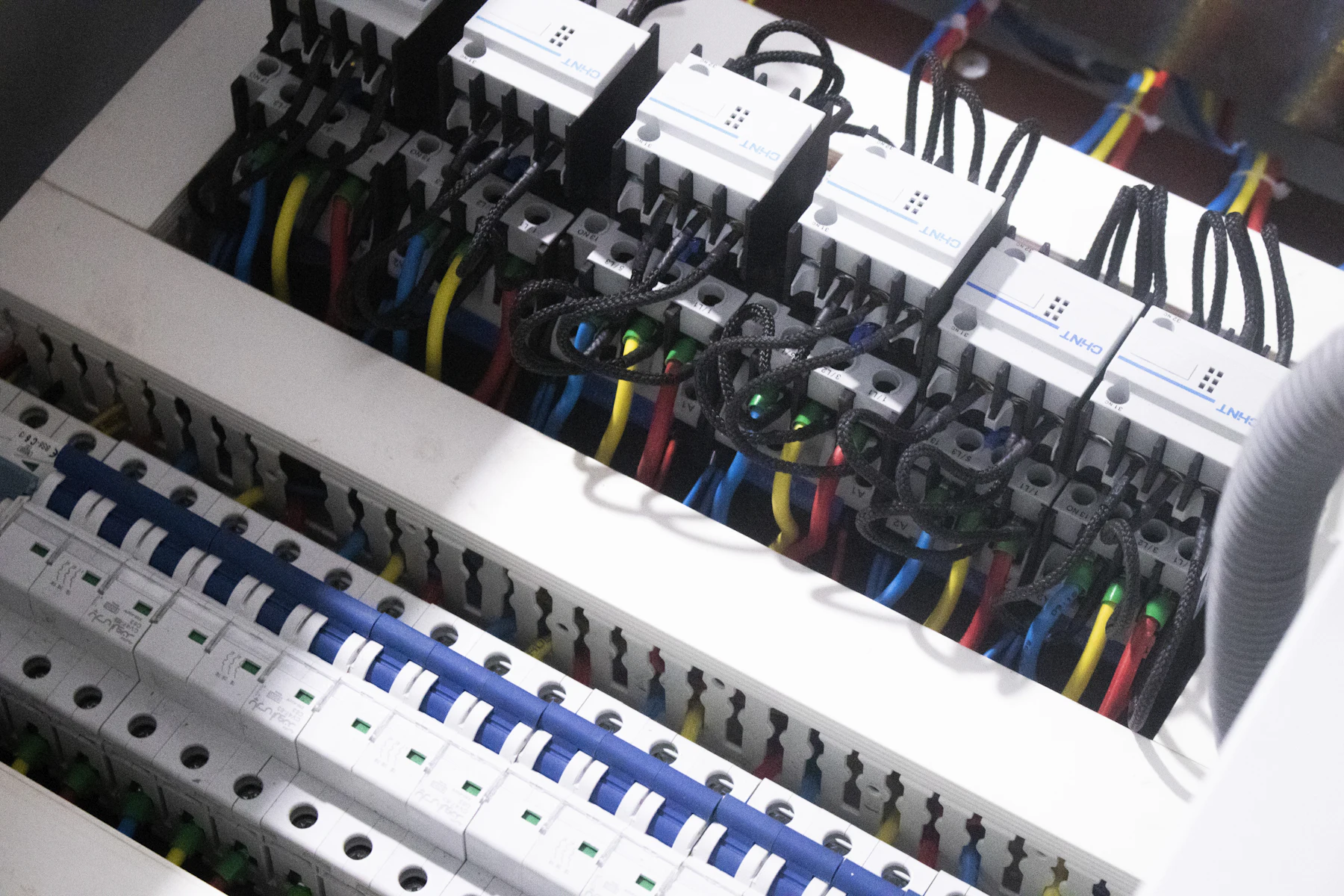
How Do Electrical Contractors Get Business Financing?
Electrical contractors typically use working capital, receivables financing or a line of credit, approved from the last 3 months of business bank statements (4 in some states), from $10,000 and funded in 24 to 48 hours. It usually pays for wire, panels and gear on an awarded job, licensed crew payroll between progress draws, trucks and test equipment, and the 30 to 60 day invoice lag plus retainage. When you invoice general contractors or developers, receivables financing is normally the cheapest structure because underwriting leans on the GC’s credit rather than only yours.
Why an Electrical Contractor Needs Financing Built Differently
Electrical material ties up more capital per job than most trades. Wire, panels, conduit and fixtures are bought up front, and copper pricing can move between the bid and the purchase order — so showing up with cash lets you lock the price before it climbs. At the same time the labor is licensed, which makes it expensive and hard to replace: losing a crew because you could not cover two weeks of payroll costs more than the financing would have.
The other half is collection. On new construction and commercial contracts you bill by progress, get paid in 30 or 60 days, and a percentage is held as retainage until closeout. The electrical contractor who grows ends up financing the customer without having decided to.
What Owners Actually Use It For
- Wire, panels and conduit for an awarded job, locking price ahead of an increase.
- Licensed crew payroll between progress draws.
- Equipment and tools: generators, thermal imaging and test gear, benders, lifts.
- Service trucks to add a crew or a route.
- Licensing, bonding and insurance required by commercial contracts.
The Products That Fit Best
| Product | Why it fits electrical work | Amounts |
|---|---|---|
| Receivables financing | Cheapest route when you invoice GCs or developers | $20,000 to $5,000,000 |
| Working capital | Materials and payroll with minimal paperwork | $10,000 to $1,000,000 |
| Line of credit | For chaining jobs without reapplying each time | Up to $2,000,000 |
| Equipment financing | Trucks, generators and test equipment | Based on equipment value |
| Short-term loan | A large material buy repaid over months | Up to $2,000,000 |
| Merchant cash advance | When credit is bruised but collections are steady | $10,000 to $1,000,000 |
RAN Funding’s minimum is $10,000. One application reaches a network of funders, so what comes back is a comparison rather than a single yes. The structural comparisons are in MCA vs business loan and working capital loan vs line of credit.
Requirements and Documents
- Last 3 months of business bank statements (4 in some states). This is the document that carries the most weight.
- An active business bank account in the business name, with revenue passing through it.
- EIN and entity details, plus ID and ownership percentage for each owner of 20% or more.
- A personal guarantee on most programs; many products take no collateral.
- Contracts, change orders and open invoices — on commercial electrical work these are what support a larger amount.
There is no published minimum credit score. Some programs begin at $20,000 in average monthly revenue, and available amounts and products vary by file. If credit is the weak point, start with bad credit business loans; the full file-by-file detail is in business loan requirements and what lenders read in your bank statements.
How Fast the Money Arrives
On cash-flow products, offers commonly come back the same day or the next, and funding can follow within 24 to 48 hours of signing. Same-day funding is available on some products. If material has to be bought before copper moves or before mobilization, that window is the job’s margin. The full timeline breakdown is in how fast can you get a business loan.
How the Amount Is Sized
The offer is built as a multiple of one month of deposits, then adjusted for consistency between months, average daily balance, days negative and existing obligations. Progress billing makes deposits look uneven; disclosing active contracts up front helps an underwriter read those peaks as project cycles rather than instability. In the Federal Reserve’s Small Business Credit Survey, 42% of applicants received the full amount they sought — which is why placing one file with several funders changes the outcome. See how much you can qualify for and what changes at $50K a month.
The Next Step
A specialist who knows an electrical contractor reviews your file and explains every offer — amount, estimated total repayment and payment frequency — before you sign. Call 877-522-6045 or see your options.
October 2026 Update: Rates, Approval Odds and Costs
Three things changed since this guide was last reviewed, and all three affect the numbers above.
- Prime is 7.00%, up from 6.75% on September 17, 2026, after the Federal Reserve’s first hike since 2023. Variable products (bank lines, SBA 7(a) loans, HELOCs) repriced a quarter point; fixed-rate and factor-rate products you already hold did not. The next Fed decision is October 28. See prime rate is 7%: what it means for business loan rates.
- New approval data: the Federal Reserve’s 2026 Small Business Credit Survey found 81% of applicants approved for at least part of their request and 42% in full; equipment loans (71%), merchant cash advances (48%) and lines of credit (45%) were approved in full most often, SBA (37%) and term loans (35%) least. See business loan approval rates in 2026 and easiest business loans to get.
- Cost pressure: 77% of small employers report rising costs and 47% cite tariffs; NFIB puts the average short-term loan rate at 8.2% (September 2026). The cheapest-tool-first playbook is in tariffs and small business working capital.
Common Questions
Can I finance a large wire buy before prices go up?
Yes, it is a common use. Working capital and lines of credit let you buy material when pricing is right and repay out of job billings. Having the contract on hand helps justify the amount.
Retainage is held until closeout. Can that be covered?
Retainage itself is not financed directly, but it is exactly the gap working capital and receivables financing bridge while it is held. Mention it when you explain the need.
What fits best if I am a sub under a general contractor?
Receivables financing, because the analysis leans on the GC’s creditworthiness rather than yours alone. It is the standard structure for electrical subcontractors.
Can I finance trucks and test equipment?
Yes, through equipment financing, which is usually cheaper because the asset secures it. Working capital is faster if you need the money this week and prefer not to tie up the equipment.
Do uneven monthly deposits hurt my file?
Consistency counts, but a contractor on progress draws is not judged like a retailer with daily sales. What really hurts is recent NSFs, not the normal variation of a project cycle.
Sources
- Fund your business U.S. Small Business Administration
- Small Business Credit Survey, Report on Employer Firms Federal Reserve Banks
See What You Qualify For
One application, about five minutes, soft pull only. A funding specialist comes back with the offers you qualify for — and explains every term before you sign.
Go Deeper on the Right Structure