
Optometry · Equipment
Optometry Equipment Financing: Fund OCT, Exam Lanes and Lab Upgrades
An OCT, a new exam lane or an in-house optical lab can each cost more than a year of a practice’s free cash. Here is what optometry equipment costs in 2026, which financing fits each purchase and what funders look at before they approve an established practice.
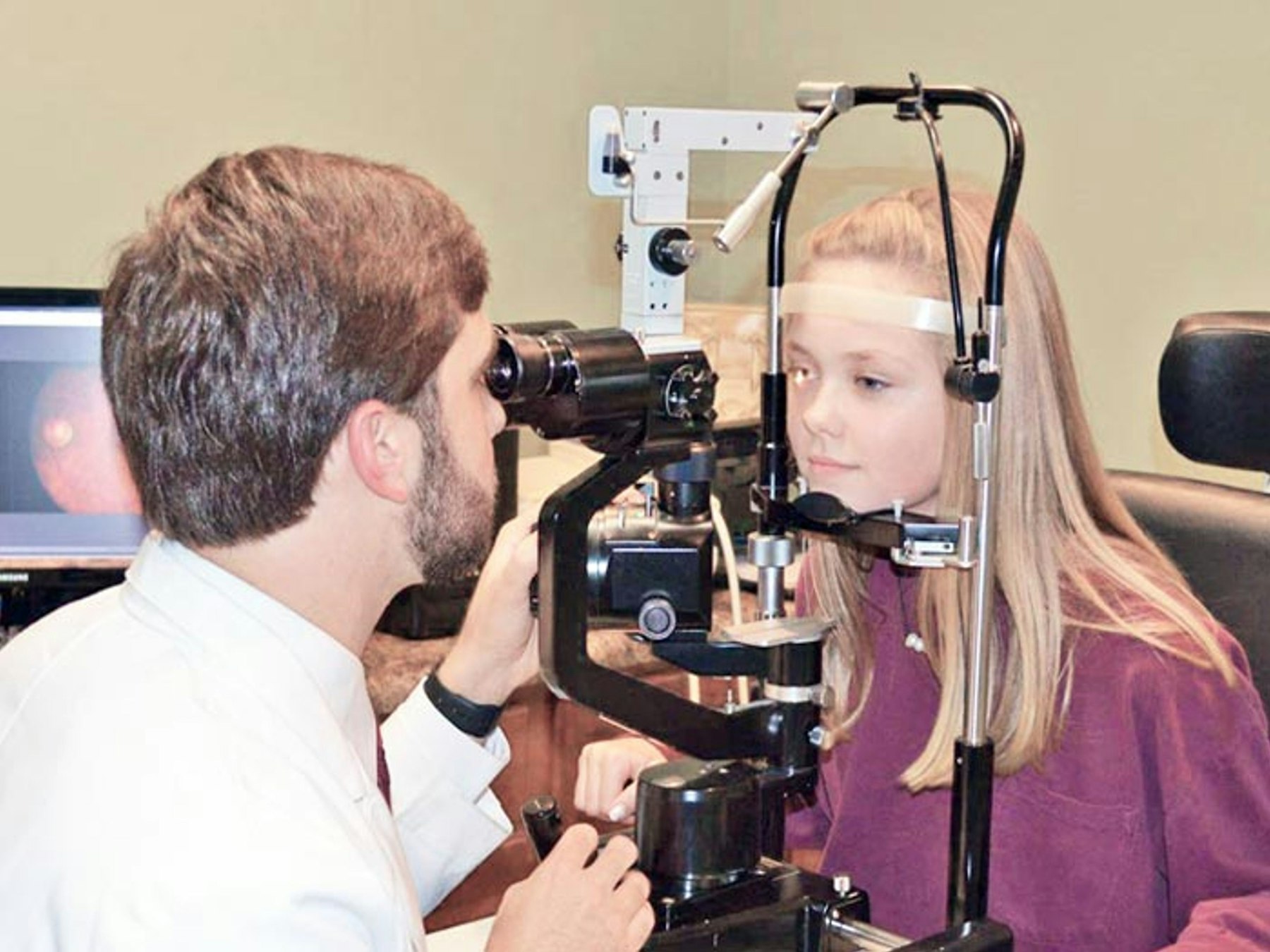
How Do Optometrists Finance New Equipment?
According to RAN Funding, most established optometry practices finance diagnostic and exam-lane equipment with equipment financing, where the equipment itself secures the deal, and keep a business line of credit for build-out costs and slow insurance reimbursements. Practices with 12 months in business and $20,000 a month in deposits can compare offers on one application, with funding in as little as 24 to 48 hours on fast products.
What Optometry Equipment Costs in 2026
Equipment is the largest single line in most optometry budgets after the space itself. A 2026 cost guide for U.S. optometry offices puts the total clinical equipment package for a five-lane practice at $400,000 to $900,000. Most practices are not buying all of it at once. They are adding an imaging device, outfitting one more lane or bringing lens work in-house.
| Item | Typical 2026 cost |
|---|---|
| Exam lane clinical equipment (per lane) | $40,000 to $120,000 |
| Phoropter | $7,000 to $15,000 |
| Slit lamp | $8,000 to $20,000 |
| Exam chair | $4,000 to $12,000 |
| Tonometer or autorefractor | $5,000 to $15,000 |
| Imaging room (OCT, fundus camera, topographer) | $50,000 to $200,000 |
| Optical lab equipment | $50,000 to $150,000 |
| Practice management and EHR software | $40,000 to $120,000 |
Ranges come from the Terrapin Consulting Group 2026 optometry build-out guide. Your vendor quote is what a funder will underwrite, so get it in writing before you apply.
Which Financing Fits Each Purchase
Matching the product to what you are buying keeps the cost down and keeps cash free for payroll and inventory.
| Need | Best fit | Why |
|---|---|---|
| OCT, visual field analyzer, fundus camera | Equipment financing | The device secures the deal and the term follows its useful life |
| A new exam lane | Equipment financing | Phoropter, slit lamp, chair and stand can go on one schedule |
| Lane build-out, cabinetry, renovation | Business term loan | Improvements are not collateral, so a cash-flow loan fits better |
| Frame inventory, contact lens stock | Business line of credit | Draw when you reorder and pay it down as stock sells |
| Gaps while insurance claims pay | Business line of credit | Revolving access covers 30 to 60 day reimbursement lags |
| A short-term opportunity | Revenue-based financing | Fast decisions, factor rates from 1.08, repaid from deposits |
| Buying a practice or a large multi-lane project | SBA loans | Longer terms, but expect 30 to 60 days or more |
What Funders Look At
Equipment funders and cash-flow lenders read an optometry practice the way they read any established business: by its deposits.
- Time in business: 12 months or more (six months is sometimes possible).
- Deposits: $20,000 a month or more in business bank deposits.
- Bank statements: the last three months of business bank statements (four in CA, NY and VA).
- Vendor quote: make, model, price and delivery date for each device.
- Payer mix: how much of your revenue comes from vision plans, medical insurance and private pay. A steady mix reads as stable cash flow.
- Existing positions: any current loans, leases or advances, so the new offer fits alongside them.
Credit score matters less on equipment deals than most owners expect, because the equipment supports the financing. See equipment financing requirements for the full checklist.
Will the Equipment Pay for Itself?
Run the numbers on your own patient base before you sign. Demand is not the question: the U.S. Bureau of Labor Statistics counts 45,100 optometrist jobs in 2025 and projects 10% growth from 2025 to 2035, much faster than average. The question is whether your schedule will use the device.
- Count the patients. Pull last year’s visits for glaucoma suspects, diabetic eye exams and other medical cases that would use the device.
- Use your own reimbursement. Multiply by what your payers actually pay for the related codes, not a vendor brochure figure.
- Compare to the total cost. Put the full payback of the financing offer next to a year of that added revenue.
- Add the time savings. In-house imaging and lab work can cut referrals and remakes, which is real money even when it is hard to bill.
If the device pays for its financing inside its useful life, it is a sound purchase. If it only works on the most optimistic schedule, buy a smaller model or wait a quarter.
Year-End Timing and Section 179
Equipment placed in service by December 31 may qualify for Section 179 expensing on your 2026 return, which is why many practices close equipment deals in November and December. Ask your CPA how it applies to your practice before you time a purchase around taxes. Our year-end funding checklist covers the rest of the December to-do list.
How to Apply
- Get a written quote from your equipment vendor.
- Download the last three months of business bank statements (four in CA, NY and VA).
- Complete one application at RAN Funding. It takes about five minutes and uses a soft pull.
- Compare offers side by side: total payback, term and how each one is repaid.
- Sign the offer you choose. The funder pays the vendor directly on equipment deals.
Common Questions
Can I finance used optometry equipment?
Yes. Many equipment funders finance used and refurbished devices from established vendors, usually with a shorter term than new equipment. The vendor quote should list the age and condition of the device.
How fast can an optometry practice get equipment financing?
According to RAN Funding, complete files on fast products can get same-day offers and funding in 24 to 48 hours. SBA loans for larger projects take 30 to 60 days or more.
Do I need perfect credit to finance an OCT?
No. The OCT itself supports the financing, so funders weigh your deposits and time in business more than your score. Practices with 12 months in business and $20,000 a month in deposits are the typical fit.
Can I finance a whole new exam lane at once?
Yes. The phoropter, slit lamp, chair, stand and tonometer can go on one equipment schedule. Cabinetry and construction usually go on a term loan or line of credit instead, because improvements are not collateral.
Is RAN Funding a lender?
No. RAN Funding is a business funding broker. One application is compared across a network of funding partners, and the funder you choose sets the final terms.
Sources
- Optometrists: Occupational Outlook Handbook — U.S. Bureau of Labor Statistics
- Average Cost to Build an Optometry Office in the USA (2026 Complete Guide) — Terrapin Consulting Group
See What You Qualify For
One application, about five minutes, soft pull only. A funding specialist tells you up front which products fit your file, what they cost and how fast each one funds.
More for Optometry Practices