
Equipment financing · restaurant
Restaurant Equipment Financing: Kitchens, Refrigeration, Hoods and POS
Restaurant equipment is the trickiest category for lenders — essential to you, hard to resell for them — so terms are shorter and pricing is wider. Here is how to finance a kitchen, a second location or a refrigeration replacement in 2026 without paying advance-level rates.
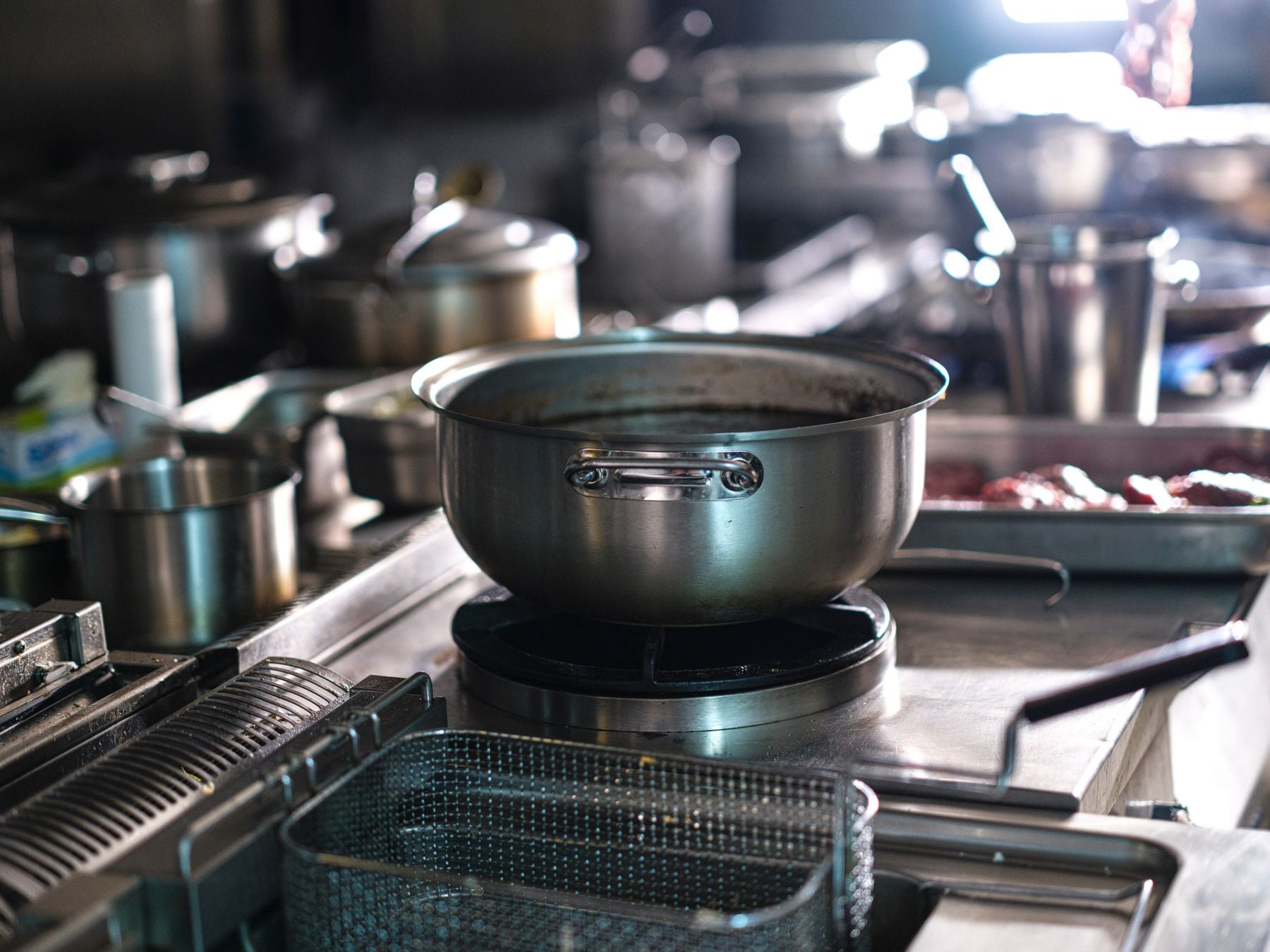
How Does Restaurant Equipment Financing Work?
Restaurants finance ovens, ranges, hoods and ventilation, walk-ins and refrigeration, dishwashers, fryers, smallwares and POS with equipment loans and leases of $10,000 to $500,000 over 24 to 60 months, up to 100% of the invoice for established operators (10–20% down for newer or B/C-credit restaurants), at rates of about 10% to 20%. Because used restaurant equipment resells poorly, lenders lean on the restaurant’s deposits and time in business more than on the equipment. Franchisees of recognized brands get the best terms. App-only approvals go to $150,000–$300,000.
What Restaurant Businesses Finance
| Equipment | Typical cost | Typical term |
|---|---|---|
| Commercial range, oven, griddle, fryer | $5,000–$60,000 | 24–48 months |
| Hood and ventilation system | $15,000–$80,000 | 36–60 months |
| Walk-in cooler / freezer | $10,000–$60,000 | 36–60 months |
| Reach-ins, prep tables, ice machine | $3,000–$25,000 | 24–36 months |
| Dishwasher | $5,000–$25,000 | 24–48 months |
| POS and kitchen display system | $5,000–$40,000 | 24–36 months |
| Espresso / bar / brewing equipment | $10,000–$100,000 | 36–60 months |
| Full kitchen package / second location | $100,000–$500,000 | 48–60 months |
A full kitchen package from a restaurant supply dealer can be financed on one agreement, including installation.
Programs and Terms for Restaurant
| Typical | |
|---|---|
| Deal size | $10,000–$500,000 |
| Term | 24–60 months |
| Down payment | 0–10% established; 10–20% newer or B/C credit |
| Credit | 620+ standard; 580+ with strong deposits |
| Time in business | 1+ year; newer businesses mainly through franchise programs or SBA |
| App-only limit | $150,000–$300,000 |
| Speed | 2–4 business days |
Hoods, walk-ins and bolted-down equipment are treated as soft collateral; the lender is really underwriting the restaurant. Steady card deposits are what get the deal done.
Monthly payment on a $75,000 kitchen package, 48 months
Illustrative. Compare against the daily-pay cost of financing the same kitchen with a merchant cash advance, which typically runs two to three times higher.
How Lenders Look at Restaurant Deals
- Deposits: card revenue in the bank statements, consistency across months, few NSFs.
- Time in business: two years is the comfort line; franchisees of recognized brands get newer-business programs.
- Existing advances: restaurants are the heaviest MCA users; lenders check that the new payment fits after them and may require one to be paid at closing.
- The equipment: new from a dealer finances best; used restaurant equipment is financed at lower advance rates.
- Lease: the location lease term should run past the loan term.
Section 179 for Restaurant Equipment in 2026
A restaurant installing a $150,000 kitchen in 2026 can expense it under Section 179, worth $31,000–$55,000 in federal tax. The 2026 Section 179 limit is $2,560,000 with 100% bonus depreciation above it; equipment must be placed in service by 31 December. See Section 179 and equipment financing.
Getting the Best Deal
- Finance the kitchen, not the cash flow: an equipment loan for the ovens and a line of credit for inventory beats one big advance.
- Buy the package from one dealer so it funds on one agreement.
- Pay off a daily-pay advance first if the statements show several; it changes the lender’s answer.
- Ask about 90-day deferred payments on a new location so you are open before paying.
- Franchisees: use the brand’s approved lender list — the programs are built for the concept.
How RAN Funding Places Restaurant Equipment
Restaurants are one of the industries we fund most, and we know which equipment lenders will write a kitchen deal and which will not. We place the equipment with a lender that funds restaurants and pair it with working capital when a build-out needs more. Related: Restaurant business loans, equipment financing requirements, equipment financing rates.
Common Questions
Can I finance restaurant equipment with bad credit?
Yes, on programs that weigh deposits over score: 580+ with steady card revenue and a 10% to 20% down payment. Used equipment and newer businesses are harder; established restaurants with strong deposits are financed routinely.
Can I finance used restaurant equipment?
Yes, but at lower advance rates and shorter terms because used kitchen equipment resells poorly. New equipment from a dealer finances best.
Can a new restaurant get equipment financing?
Mainly through franchise programs or an SBA loan. Independent newer businesses typically need a 20%+ down payment, restaurant experience and a signed lease.
Is restaurant equipment tax deductible in 2026?
Yes. Kitchen equipment, hoods, refrigeration and POS qualify for Section 179 ($2,560,000 limit in 2026) and 100% bonus depreciation when placed in service.
Sources
- Equipment loan rates by industry 2026 — Crestmont Capital
- Equipment loan rates in 2026 — Equipment Financing HQ
- Section 179 deduction guide 2026 — Block Advisors
RAN Funding at a Glance
RAN Funding is a business financing broker. It is not a lender. One application is compared across a network of banks, SBA lenders, online lenders and revenue-based funders. Funding runs from $10,000 to $2 million, and up to $5 million for SBA loans. Most approved working capital funds in 24 to 48 hours. It works only with businesses registered and operating in the United States. The application uses a soft credit pull, and specialists work in English or Spanish.
See What You Qualify For
One application, about five minutes, soft pull only. A funding specialist tells you up front whether SBA is realistic for your file — and which faster products fit if it is not.
More on Equipment Financing