
State guide
5 Reasons Wisconsin Business Owners Get Business Financing in 2026
Wisconsin is a state of makers. It has thousands of small manufacturers, a food industry built on dairy, and a building season cut short by winter. This guide covers the five most common reasons Wisconsin owners use business financing and the product that fits each one.
Why do Wisconsin business owners get business financing?
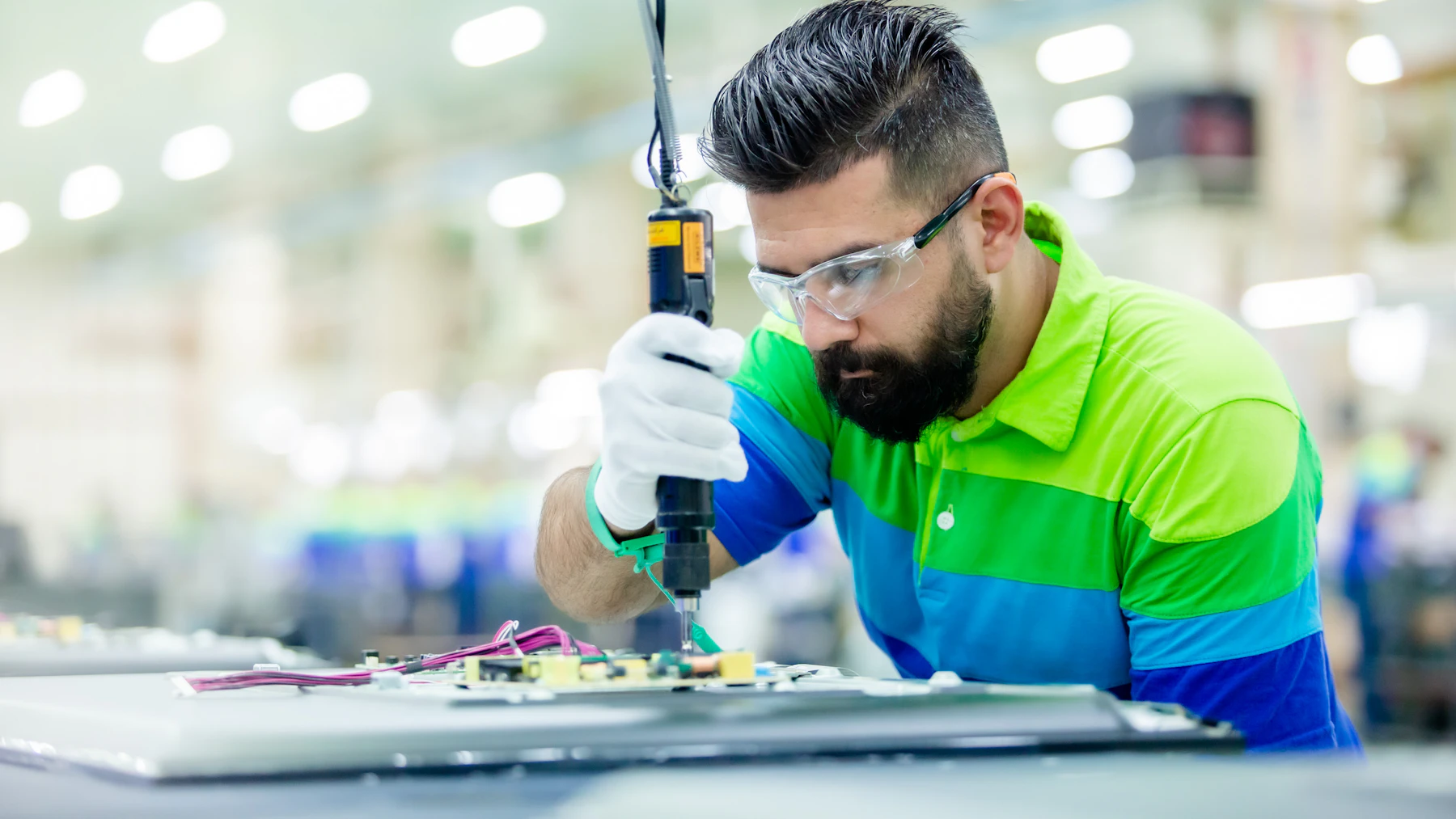
Wisconsin business owners get business financing to invest in production and to get through uneven seasons. Manufacturers replace and add machinery. Cheese makers and food processors carry inventory for months before it sells. Contractors and landscapers earn most of their revenue between spring thaw and first frost. Tourism businesses in Door County, Wisconsin Dells and the Northwoods depend on summer. And many long-held family companies are changing hands. Equipment financing, working capital, a business line of credit, Business Term Loans and SBA loans each play a part.
Business financing in Wisconsin: the 2026 landscape
Wisconsin has 497,370 small businesses, according to the U.S. Small Business Administration’s Office of Advocacy. They represent 99.4 percent of all businesses in the state and employ 1.2 million people, or 48.0 percent of Wisconsin employees. The profile notes that this share is above the national small business employment share.
The largest small-business industries by number of firms include professional, scientific and technical services (59,922), construction (55,387), other services (54,287), retail trade (49,180) and health care and social assistance (34,849). Accommodation and food services has 20,141 small businesses.
Manufacturing deserves a closer look. Wisconsin has 14,497 small manufacturers, and 2,411 of them have between 20 and 499 employees. That is one of the highest counts of firms that size in any Wisconsin industry. Wisconsin also has 7,235 small exporters, which is 85.2 percent of its identified exporting firms.
Small firms are hiring. Between March 2023 and March 2024, 18,895 Wisconsin establishments opened and 16,828 closed, a net increase of 2,067, and small businesses added a net 15,910 jobs.
Reason 1: Manufacturers need to keep machinery current
From Milwaukee and Waukesha to the Fox Valley, Sheboygan and the Chippewa Valley, small manufacturers make engines and components, paper and packaging, plastics, metal castings, food equipment and machine tools. Many are suppliers to larger companies that expect tight tolerances, short lead times and steady price discipline.
Meeting those expectations with 20-year-old machines is hard. Skilled workers are also scarce, so owners invest in automation to get more output from the team they have.
Picture a metal fabricator in Appleton. A fiber laser would cut much faster than its current machine and free up two operators for welding, where the shop is behind.
Best fit
Equipment financing is the natural choice because the cost is spread over the working life of the machine. Our manufacturing financing guide covers lasers, CNC machines, presses and robots.
Reason 2: Dairy and food businesses carry inventory for months
Wisconsin makes more cheese than any other state. Around the cheese plants in Green County, Marathon County and the Fox Valley are sausage makers, bakeries, breweries, candy makers, packaging companies and specialty food wholesalers.
Food production ties up cash. An aged cheddar sits in a cooler for a year or more before it can be sold. A sausage company buys casings, meat and packaging weeks before the holiday gift season, when a large part of annual sales happens.
Take a specialty cheese company in Monroe that sells gift boxes online and through retailers. Summer is when it builds inventory. Sales arrive in November and December.
Best fit
Working capital or inventory financing bridges the months between production and sales. Typical amounts run $20,000–$500,000+. Online sellers can see our ecommerce financing guide.
Reason 3: Winter shortens the building season
Frozen ground stops most excavation, concrete, paving and landscaping work for a third of the year. Contractors in Madison, Green Bay, Milwaukee and Eau Claire pack their outdoor projects into the months from spring thaw to late fall. Then many switch to snow removal, which pays only when it snows.
Spring is the tight spot. Crews are called back, equipment is serviced and materials are ordered while the bank account is at its lowest point of the year.
Picture a landscaping and hardscape company in Waukesha. In March it rehires 15 workers, buys pavers and plants, and repairs two skid steers. Customer payments start in May.
Best fit
A business line of credit suits a cycle that repeats every year. Lines run $20,000–$2,000,000 and open in 48–72 hours once approved. See our guides for landscaping and construction companies.
Reason 4: Summer tourism has to carry the year
Door County, Wisconsin Dells, Lake Geneva, Bayfield and the Northwoods towns of Minocqua and Eagle River are full from Memorial Day to Labor Day. Supper clubs, resort suppliers, boat and bike rental shops, ice cream stands and gift stores make most of their income in about 100 days. Fall color and snowmobile season help, but winter business depends on the weather.
Opening for the season means hiring, stocking and repairing everything that winter damaged.
Take a restaurant in Fish Creek that closes for part of the winter. Before reopening it needs a new walk-in cooler, a full food order and two weeks of training payroll.
Best fit
Working capital can be funded in as little as 24–48 hours once approved, which helps when opening day is close. See our restaurant financing guide.
Reason 5: Family companies are changing hands
Wisconsin has many businesses that have been in the same family for two or three generations: machine shops, dairy suppliers, hardware stores, printers and contractors. As owners retire, sons and daughters, key employees or a competitor down the road buy them out.
A buyout is a large, one-time need. So is the reinvestment that often follows it, when the new owner updates equipment, adds a product line or buys a second shop.
Picture the general manager of a plumbing company in Green Bay. The founder is ready to retire and has offered to sell. The business is healthy, with years of tax returns to show it.
Best fit
SBA loans are often used for ownership changes and expansion. They go up to $10 million, typically take 30–60 days, and are built for businesses with 2+ years in business and $250,000+ in annual revenue shown on two years of business tax returns. See business acquisition loans and Business Term Loans for other paths.
How to qualify for business financing in Wisconsin
These programs are built for established businesses: most clients have 1+ year in business and $20,000+ in monthly revenue. A Wisconsin owner can prepare a file in an afternoon.
- Fill out the short application.
- Collect the last 3 months of business bank statements. Personal bank statements do not count.
- Check your deposits. Lenders want to see regular revenue. If winter months are slow, say so up front.
- Check your balances. Negative days and returned payments raise questions. Our guide to business bank statements explains what is reviewed.
- Name the purpose. A machine, a season, an inventory build or a buyout.
Decisions come in hours on complete files. Approval is not automatic, and a declined file can often be improved. See why applications get declined and the full business loan requirements.
Be realistic about cost. Faster funding usually costs more in total than bank financing. Compare the total amount repaid and the term before you commit.
Where we fund in Wisconsin
We work with businesses in every part of the state: Milwaukee, Waukesha, Racine and Kenosha in the southeast; Madison and Janesville in the south; Green Bay, Appleton, Oshkosh and Sheboygan in the Fox Valley and lakeshore; and Eau Claire, La Crosse, Wausau and Superior in the west and north.
How RAN Funding works with Wisconsin businesses
RAN Funding is a business financing company based in Pembroke Pines, Florida. We do not fund loans ourselves. We arrange financing through a network of lenders. You complete one application for our lender network and work with one dedicated specialist.
- Apply. The short application and 3 months of business bank statements.
- Review. Your specialist looks at the file and matches it to lenders that fit your industry and goal.
- Compare. Options are presented with the total amount repaid and the term.
- Fund. In as little as 24–48 hours once approved. Larger amounts, up to $2 million, can be funded in as little as 72 hours once approved.
Call 1-877-522-6045, Monday–Friday 9am–6pm ET.
Common questions
Is RAN Funding a lender in Wisconsin?
No. RAN Funding is a business financing company working with a network of lenders. We do not lend. Wisconsin owners complete one application for our lender network and work with one dedicated specialist.
How quickly can a Wisconsin business get financing?
Decisions come in hours on complete files. Funding can follow in as little as 24–48 hours once approved. Lines of credit open in 48–72 hours once approved. SBA loans typically take 30–60 days.
How much can a Wisconsin business get?
Typical amounts run $20,000–$500,000+. Lines of credit range from $20,000 to $2,000,000 and SBA loans go up to $10 million. See how much funding you can qualify for.
What documents do Wisconsin owners need?
A short application and the last 3 months of business bank statements. Personal bank statements do not count. SBA loans add two years of business tax returns.
Can a seasonal Wisconsin business qualify?
Seasonal contractors, landscapers and tourism businesses apply often. Lenders review deposits across the statement period, so explain your slow months up front. Approval depends on the file.
Does fast funding cost more than a Wisconsin bank loan?
In most cases, yes. Faster funding usually costs more in total than bank financing. Compare the total amount repaid and the term on each offer.
Sources
- 2025 Small Business Profile: Wisconsin — U.S. Small Business Administration, Office of Advocacy
Ready to talk about financing for your Wisconsin business?
One application for our lender network and one dedicated specialist. Decisions in hours on complete files.
More for Wisconsin business owners