
Seasonal funding
Seasonal Business Funding: Cover the Slow Season and Gear Up for the Busy One
Most of your revenue lands in a few months, but rent, payroll and suppliers are due all twelve. Seasonal business funding fills the months that do not carry themselves. Here is how to size it, time it and pick the product that fits your calendar.
The Short Answer
Seasonal business funding is working capital timed to your calendar. A business line of credit fits a slow season that repeats every year, working capital fits a one-time ramp-up, and inventory financing fits stock you buy ahead of your peak. An established business can apply with recent business bank statements, get a decision within hours and be funded in as little as 24–48 hours once approved. RAN Funding places $20,000 to $500,000+ through one application and one dedicated specialist.
What Seasonal Business Funding Actually Is
Seasonal business funding is not a single product. It is any business funding used to smooth out a year where the money comes in unevenly. The business is healthy across twelve months, but a few of those months cannot pay their own bills.
There are two sides to it. The first is the slow season: fixed costs keep running while sales dip. The second is the ramp-up: you spend on inventory, staff and marketing weeks before the busy season pays you back. Both are timing problems, and both are predictable, which makes them easier to fund than a surprise.
Which Businesses Use Seasonal Funding
Almost every industry has a season. These are the patterns our specialists see most often.
| Business | Busy Season | Where the Money Goes |
|---|---|---|
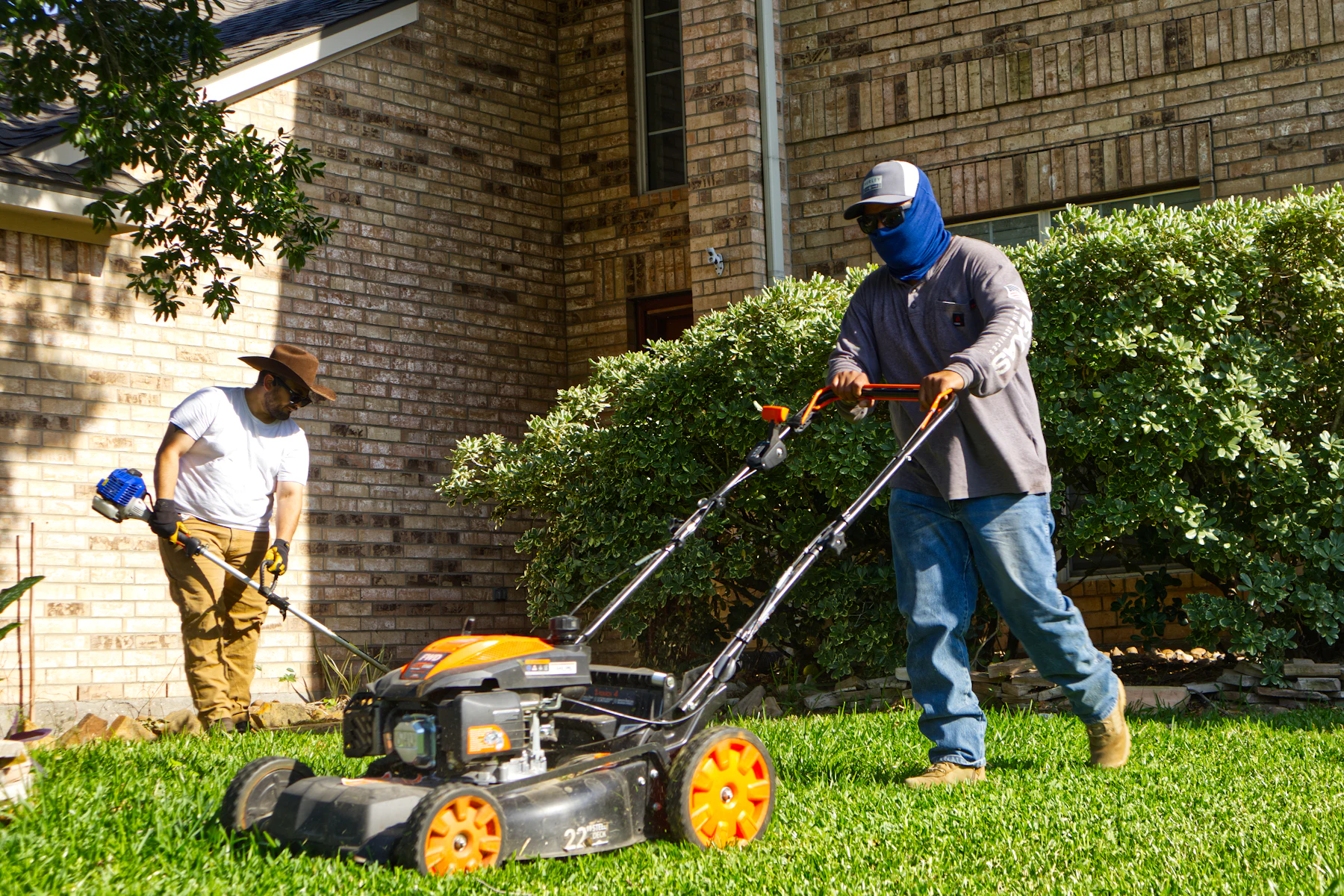
| Landscaping and lawn care | Spring through fall | Crew payroll and equipment before the first invoices are paid |
| HVAC contractors | Peak summer and peak winter | Parts, vans and technicians ahead of the first heat wave or cold snap |
| Retail stores | The fourth quarter | Holiday inventory bought in late summer and early fall |
| Restaurants in tourist areas | Varies by market | Staffing up, patio and kitchen prep before the season opens |
| Pool and outdoor services | Late spring and summer | Materials and labor on jobs signed in winter |
| Accounting and tax firms | January through April | Seasonal staff and software before client fees are collected |
| Wholesale and distribution | Ahead of their customers’ peak | Bulk stock purchased months before it is invoiced |
If your bank statements show the same dip in the same months every year, you have a seasonal business, whatever the industry.
Two Different Needs: The Slow Season and the Ramp-Up
The two sides of a seasonal year call for different amounts, different timing and often different products.
| Covering the Slow Season | Gearing Up for the Busy Season | |
|---|---|---|
| What you are paying for | Rent, core payroll, insurance, utilities | Inventory, seasonal hires, marketing, equipment |
| How to size it | Monthly fixed costs minus slow-month revenue, times the number of slow months | The cost of the stock, staff and promotion you need before sales arrive |
| When to arrange it | At the end of your busy season, while deposits are strong | Six to ten weeks before the season opens |
| How it gets repaid | From the first strong months of the next season | From the sales the spending produces |
Which Funding Fits a Seasonal Business?
| Your Situation | Best Fit | Why It Fits |
|---|---|---|
| The same slow months every year | Business line of credit | Draw in the slow months, pay it down in the busy ones and reuse it next year |
| A one-time ramp-up or a larger season than usual | Working capital | One lump sum, repaid from revenue as the season comes in |
| Stock you must buy ahead of the peak | Inventory financing | Pays the supplier now and is repaid as the goods sell |
| Seasonal staff and extra pay cycles | Payroll funding | Sized to the pay cycles you need to bridge |
| Trucks, mowers, ovens or other equipment for the season | Equipment financing | The equipment supports the financing, which keeps cash free for operations |
| A permanent step up in capacity | Business Term Loans | A longer term, up to 3 years, for growth that outlasts one season |
One rule keeps seasonal funding healthy: match the length of the funding to the length of the season. Money borrowed to cover three slow months should be cleared by the busy months that follow, not carried into the next slow season.
How Much to Ask For: A Worked Example
Do not pick a round number. Build the figure from your own calendar. Picture a landscaping company in Charlotte with a slow season from December through February. The numbers are illustrative.
| Each Slow Month | Amount |
|---|---|
| Core crew payroll | $38,000 |
| Shop rent, insurance and utilities | $9,000 |
| Vehicle and equipment costs | $7,000 |
| Total fixed costs | $54,000 |
| Winter revenue (snow removal, maintenance contracts) | $31,000 |
| Monthly shortfall | $23,000 |
Three slow months at $23,000 is a $69,000 gap. Add about 15% for a late spring or a slow-paying commercial account, and the request comes to roughly $80,000. Because this happens every winter, a line of credit opened in the fall fits better than a new funding each December.
- List your fixed costs for a typical slow month.
- Subtract the revenue those months reliably bring in. Use last year’s statements, not a hopeful guess.
- Multiply by the number of slow months and add a cushion.
- Check the figure against what your deposits support. See how much business funding you can qualify for.
When to Apply: Timing Matters More Than Anything
Offers are sized mainly on your recent business bank statements. That makes timing the biggest lever a seasonal owner has.
- Apply while deposits are strong. Statements from the end of your busy season support a larger amount and more options than statements from the bottom of the slow season.
- Open a line before you need it. A line of credit you have not drawn is capital on standby for the months you already know are coming.
- Start the ramp-up early. Six to ten weeks ahead leaves room to order stock, hire and train before opening day.
- Explain the pattern. A note that your revenue is seasonal, with last year’s statements to show the rebound, helps your specialist present the file correctly.
If you are already in the slow season, you can still apply. Year-over-year statements that show the same dip and the same recovery make the case.
Who Qualifies for Seasonal Business Funding?
These programs are built for established businesses. Most RAN Funding clients have:
- 1+ year in business, so at least one full seasonal cycle shows on the statements.
- $20,000+ in average monthly revenue deposited into a business bank account.
- A repeatable pattern. A dip that returns every year, followed by a recovery, reads very differently from a decline.
- A clear use for the funds. Slow-season costs or a defined ramp-up are easier to place than a general request.
See the full business loan requirements.
What to Have Ready
- A short online application.
- Business bank statements. The last 3 months as full PDFs (4 months in California, New York and Virginia). Personal statements do not count.
- Basic business details. Legal name, EIN, address and start date.
- The owner’s photo ID.
- Helpful for seasonal files: statements from the same months last year, signed contracts for the coming season or supplier quotes for the stock you plan to buy.
Statements carry most of the weight. Here is what funders look for in business bank statements.
How Fast Seasonal Funding Moves
| Option | Typical Speed |
|---|---|
| Working capital | Decision in hours, funded in as little as 24–48 hours once approved |
| Business line of credit | Opens in 48–72 hours once approved |
| Equipment financing | Typically 48–72 hours once approved |
| SBA loans | Typically 30–60 days, so plan a season ahead |
These are general ranges for established businesses with complete files. Funding moves on business days, and not every application is approved.
Mistakes Seasonal Owners Make
- Waiting until the account is nearly empty. The same business has more options in October than in January.
- Borrowing past the season. If last winter’s funding is still being repaid this winter, the term was too long or the amount too large.
- Treating a decline as a season. If the busy months are weaker every year, the issue is demand, and funding will not fix that.
- Buying for the best case. Size inventory to last year’s sales plus realistic growth, not to the season you hope for.
- Taking several fundings at once. One well-sized funding is easier to carry than three small ones with overlapping payments.
How to Make the Slow Season Easier Every Year
- Set aside a share of every busy month. Even a small percentage builds a cushion that shrinks next year’s request.
- Add off-season revenue. Maintenance plans, service contracts and pre-season deposits put money in the slow months.
- Negotiate seasonal terms with suppliers. Many will extend terms for a customer they know will reorder.
- Forecast cash weekly. A simple 13-week view shows the dip before it arrives. See healthy business cash flow.
How RAN Funding Helps
RAN Funding is a business financing company, not a bank. You complete one application for our lender network and work with one dedicated specialist, who looks at your seasonal pattern and points you to the product that fits it. We place $20,000–$500,000+, with larger amounts up to $2 million. Complete files get a decision in hours, and approved files can be funded in as little as 24–48 hours. Call 1-877-522-6045 Monday to Friday, 9am to 6pm ET, or apply online at any time.
Prefer Spanish? Lea esta guía en español.
Frequently Asked Questions
What is seasonal business funding?
It is business funding used to even out a year where revenue arrives unevenly. Owners use it to cover fixed costs in slow months or to pay for inventory, staff and marketing ahead of a busy season.
What is the best funding for a seasonal business?
A business line of credit usually fits best when the same slow months return every year, because you can draw, repay and reuse it. Working capital fits a one-time ramp-up, and inventory financing fits stock bought ahead of the peak.
When should a seasonal business apply?
Apply while deposits are strong, usually at the end of your busy season, or six to ten weeks before the next one starts. Recent statements drive the offer, so strong months support more options.
Can I apply during my slow season?
Yes. Statements from the same months last year that show the dip and the recovery help explain the pattern. The amount offered may be smaller than it would be after a strong month.
How fast can seasonal funding arrive?
Complete files often get a decision within hours, and approved working capital can be funded in as little as 24–48 hours. A business line of credit opens in 48–72 hours once approved.
Who qualifies?
Our programs are built for established businesses. Most clients have 1+ year in business and $20,000+ in average monthly revenue deposited in a business bank account.
Is RAN Funding a direct lender?
No. RAN Funding is a business financing company that works with a network of lenders and funding partners. You complete one application and work with one dedicated specialist.
Get Ahead of Your Next Season
One application for our lender network, one dedicated specialist. $20,000–$500,000+, funded in as little as 24–48 hours once approved.