
State guide
5 Reasons Nebraska Business Owners Get Business Financing in 2026
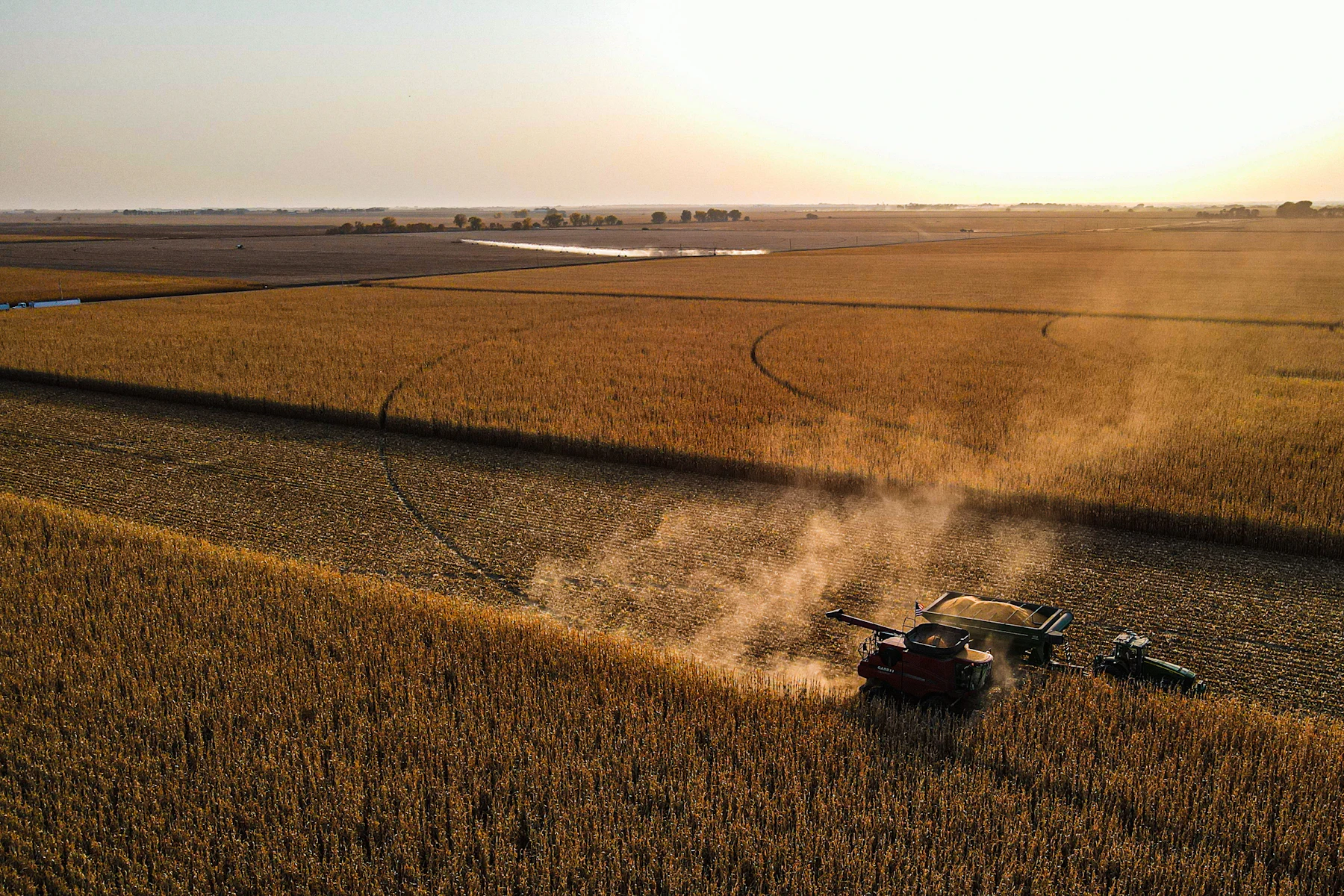
Nebraska runs on agriculture and on the businesses built around it. Dealers, processors, contractors and clinics from Omaha to Scottsbluff spend money on a schedule set by planting, harvest and weather. This guide covers the five most common reasons Nebraska owners use business financing and which product fits each.
Why Do Nebraska Business Owners Get Business Financing?
Nebraska business owners get business financing mainly to cover costs that come before revenue. Farm supply dealers and wholesalers stock up in winter and collect after harvest. Manufacturers and food processors replace and add equipment. Contractors and roofers carry labor and materials through a short building season and after hail storms. Health care and veterinary practices expand in regional centers. Restaurants and hotels prepare for a few very busy weeks. Each need matches a different product.
Business Financing in Nebraska: the 2026 Landscape
The U.S. Small Business Administration’s Office of Advocacy reports 193,495 small businesses in Nebraska, 99.1 percent of all businesses in the state. They employ 422,756 people, or 47.5 percent of Nebraska employees. The profile notes that this share is above the national small business employment share.
The business base is growing at a steady pace. Between March 2023 and March 2024, 7,158 Nebraska establishments opened and 6,668 closed, a net increase of 490. Small businesses accounted for 6,767 of those openings and 6,329 of the closings.
Construction is the largest small-business industry with 23,293 firms. Other services has 21,746, professional, scientific and technical services has 19,823, retail trade has 17,245 and health care and social assistance has 16,691. By jobs, health care leads: small health care employers have 73,932 workers. Small accommodation and food service businesses employ 53,637 and small construction firms 45,585, which is 86.5 percent of construction employment in the state.
Nebraska’s small firms also sell beyond the state line. The profile counts 1,415 small exporters, which is 80.7 percent of the state’s identified exporting firms.
Reason 1: Farm Supply Businesses Stock Up Months Before Harvest
Corn, soybeans and cattle shape the calendar in most Nebraska towns. Around the farms and ranches are the businesses that supply them: seed and feed dealers, irrigation dealers, parts counters, farm stores and wholesalers in Grand Island, Kearney, Hastings, Norfolk and Scottsbluff. Nebraska has 3,722 small wholesale firms, according to the SBA profile.
Their cash moves on the crop year. Inventory is ordered in winter so it is on the shelf before planting. Many customers settle their accounts after harvest. A dry summer or a late spring stretches the wait.
Picture an irrigation dealer in York. In January it orders pivot parts, sprinkler packages and pumps for the season. Most of its customers pay in the fall.
Best fit
Inventory financing or working capital covers the months between ordering and collecting. Typical amounts run $20,000–$500,000+. Our wholesale and distribution guide has more examples.
Reason 2: Manufacturers and Food Processors Keep Equipment Current
Nebraska is a leading state for beef and ethanol, and the four largest makers of center pivot irrigation systems are based here. Around those large plants are smaller ones: metal fabricators, machine shops, meat and grain processors, and component suppliers in Columbus, Hastings, Fremont and Lincoln. The SBA profile counts 3,142 small manufacturers in the state, with 29,987 employees.
Suppliers win and keep contracts by delivering on time and to spec. That is hard to do on worn machines. Skilled welders and machinists are scarce, so owners add automation to get more from the team they have.
Take a metal fabrication shop in Columbus that supplies parts to an irrigation equipment maker. A new press brake and a welding cell would let it take a larger order without adding a shift.
Best fit
Equipment financing spreads the cost over the working life of the machine. Working capital is a simpler option for materials on a large order. See our manufacturing guide and machine shop guide.
Reason 3: Hail and a Short Building Season Squeeze Contractors
Construction is the largest small-business industry in Nebraska by number of firms. Omaha suburbs such as Gretna, Elkhorn, Papillion and Bennington keep adding homes, schools and stores, and Lincoln is growing too. Frozen ground slows excavation and concrete work in winter, so crews pack most outdoor jobs into spring, summer and fall. Nebraska is also one of the most hail-prone states, and one storm can fill a roofing company schedule for months.
Storm work pays late. The roofer buys shingles and pays crews now, and the customer pays when the insurance check arrives. New construction has the same gap between this week’s costs and the next draw.
Picture a roofing contractor in Papillion after a June hail storm. It signs 80 jobs in three weeks. Materials are due on delivery and payroll is due every Friday.
Best fit
A business line of credit is made for this cycle. Lines run $20,000–$2,000,000 and open in 48–72 hours once approved. See our guides for roofing and construction companies.
Reason 4: Health Care Practices Grow in Regional Centers
Health care is the largest small-business employer in Nebraska, with 73,932 workers at small firms. Much of the state is rural, so patients often drive a long way to reach a clinic in Kearney, North Platte, Norfolk, Scottsbluff, Lincoln or Omaha. Dental offices, physical therapy clinics, eye care practices and veterinary clinics in those centers serve several counties at once.
Adding capacity is a planned investment. A dental office needs more chairs and another hygienist. A veterinary clinic that treats both pets and cattle needs more exam rooms and a larger treatment area.
Take a physical therapy practice in Kearney with a waiting list. The owner wants to open a second clinic in Lexington so patients there can stop making the drive.
Best fit
SBA loans go up to $5 million and typically take 30–60 days. They are built for businesses with 2+ years in business and $250,000+ in annual revenue shown on two years of business tax returns. Business Term Loans are the faster alternative. See our guides for medical practices and veterinary practices.
Reason 5: A Few Big Weeks Carry Restaurants and Hotels
Small accommodation and food service businesses employ 53,637 people in Nebraska, 68.9 percent of the industry, according to the SBA profile. Omaha hosts the College World Series every June. Lincoln fills up on Husker football Saturdays in the fall. In March, the sandhill crane migration brings visitors to Kearney and Grand Island.
Those weeks bring in a large part of the year for the businesses near them. The spending comes first. Owners order food and drinks, add staff and fix what needs fixing before the crowds arrive.
Picture a restaurant and bar a few blocks from the ballpark in downtown Omaha. In May it adds patio seating, doubles its orders and hires 15 seasonal workers.
Best fit
Working capital can be funded in as little as 24–48 hours once approved. Kitchen and patio equipment can go under equipment financing. See our restaurant financing guide.
How to Qualify for Business Financing in Nebraska
These programs are built for established businesses: most clients have 1+ year in business and $20,000+ in monthly revenue. Many long-running Nebraska companies fit that profile well. What lenders want to see:
- A short application covering the business and its ownership.
- The last 3 months of business bank statements. Personal bank statements do not count.
- Deposits that match your stated revenue. If your revenue follows the crop year or the weather, say so up front.
- Room in your cash flow. Existing obligations reduce what lenders will offer. Our article on healthy business cash flow explains why.
- A plan for the funds. Inventory, equipment, payroll or a new location.
You get decisions in hours on complete files, and funding in as little as 24–48 hours once approved. Not every application is approved. Check the business loan requirements before you start.
Speed has a price. Faster funding usually costs more in total than bank financing. Look at the total amount repaid and the term for each option.
Where We Fund in Nebraska
We work with businesses across Nebraska. In the Omaha area: Omaha, Bellevue, Papillion, La Vista, Gretna and Fremont. In the southeast: Lincoln, Beatrice and Nebraska City. Along the Platte: Columbus, Grand Island, Hastings, Kearney, Lexington and North Platte. We also serve Norfolk, South Sioux City, McCook, Scottsbluff, Sidney and Chadron.
How RAN Funding Works with Nebraska Businesses
RAN Funding is a business financing company. We are not a direct funder. We arrange financing through a network of lenders, giving you one application for our lender network and one dedicated specialist.
- Submit. The short application and 3 months of business bank statements.
- Discuss. Your specialist confirms the goal, the amount and the timeline.
- Compare. You see the options side by side, with the total amount repaid and the term.
- Fund. As quickly as 24–48 hours once approved.
Reach us at 1-877-522-6045, Monday–Friday 9am–6pm ET.
Common Questions
Is RAN Funding a lender in Nebraska?
No. RAN Funding is a business financing company working with a network of lenders. We do not lend. Nebraska owners complete one application for our lender network and work with one dedicated specialist.
How fast can a Nebraska business get financing?
Decisions arrive in hours on complete files. Funding follows in as little as 24–48 hours once approved. Lines of credit open in 48–72 hours once approved. SBA loans typically take 30–60 days.
How much financing is available to Nebraska businesses?
Most requests are $20,000–$500,000+. Larger files can reach up to $2 million funded in as little as 72 hours once approved. SBA loans go up to $5 million.
What do Nebraska owners need to apply?
A short application and the last 3 months of business bank statements. Personal bank statements do not count.
Can Nebraska contractors and farm supply businesses qualify?
Yes, both apply often. Lenders focus on deposits and cash flow across the statement period, so explain your slow months up front. Approval depends on the individual file.
Is fast funding more expensive than a Nebraska bank loan?
Generally, yes. Faster funding usually costs more in total than bank financing. Compare the total amount repaid and the term before deciding.
Sources
- 2025 Small Business Profile: Nebraska — U.S. Small Business Administration, Office of Advocacy



Would absolutely recommend Raul to anyone looking to find funding solutions for their company. If it wasn’t for Raul & RAN Funding I would not have been as prepared as I am now to reach my business goals. Thank you!
Pam Castle · Verified client review
Ready to Talk About Financing for Your Nebraska Business?
One application for our lender network and one dedicated specialist. Decisions in hours on complete files.