
Industry guide
Hotel Business Loans: Working Capital for Hotels and Motels
A hotel carries the same payroll, utilities and brand obligations in a slow month as in a sold-out one. This guide explains how hotel business loans cover operations, renovations, furniture, fixtures and equipment, and the lean weeks between busy seasons.
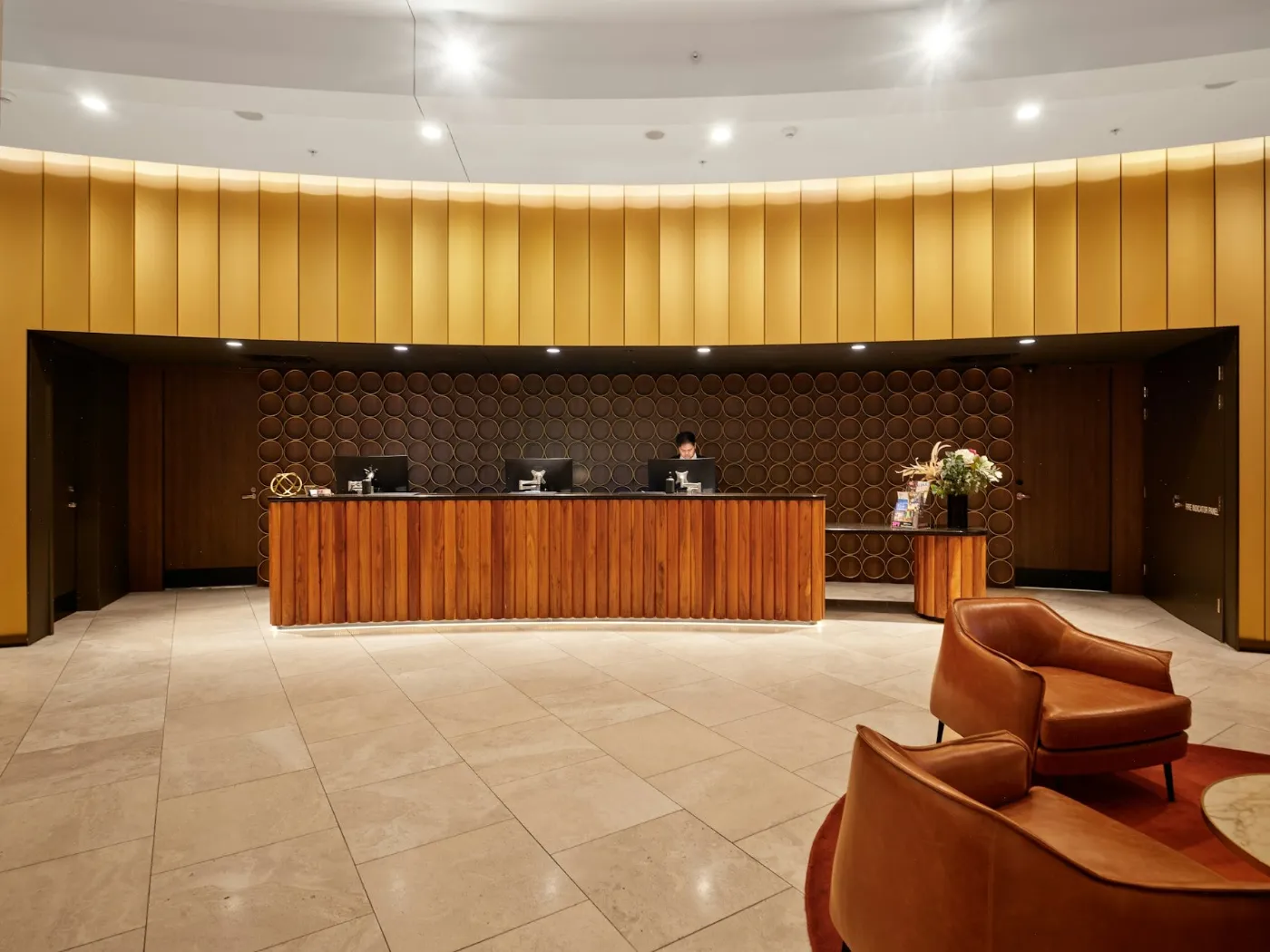
How Do Hotel Business Loans Work?
A hotel business loan gives an operating hotel or motel cash for off-season payroll, room renovations, furniture, fixtures and equipment, or supplies. The hotel repays over a set term from its card and booking deposits. RAN Funding is a business financing company that arranges this through a network of lenders, with one application and one dedicated specialist. Operators typically see $20,000–$500,000+, decisions in hours on complete files and funds in as little as 24–48 hours once approved.
Hotel Funding at a Glance
The key facts for a hotel or motel operator, in one table. This guide covers operating needs. Buying the building itself is outside its scope.
| Item | Details |
|---|---|
| Who we are | RAN Funding, a business financing company. We arrange funding through a network of lenders. We do not lend ourselves. |
| Amounts | $20,000–$500,000+. Larger files: up to $2 million. |
| Speed | Decisions in hours on complete files. Funded in as little as 24–48 hours once approved. |
| Built for | Established businesses: most clients have 1+ year in business and $20,000+ in monthly revenue. |
| To apply | A short application and the last 3 months of business bank statements (4 months in California, New York and Virginia). |
| Common uses | Off-season payroll and utilities, room renovations, furniture, fixtures and equipment, linens, building systems, pre-season hiring |
| Typical cash-flow gap | Costs stay level all year while occupancy rises and falls. Group and corporate accounts pay weeks after checkout. |
| What we look at first | Monthly card and travel agency deposits across the seasons, and whether the pattern repeats year to year. |
| Contact | 1-877-522-6045, Monday–Friday 9am–6pm ET |
Why Hotels and Motels Need Funding
Hotels sell a product that expires every night. An empty room on Tuesday cannot be sold on Wednesday. Costs do not flex the same way.
Fixed costs, seasonal revenue
A beach motel, a ski-town inn and a highway hotel near a convention center all have strong months and weak months. Front desk coverage, housekeeping supervisors, utilities, insurance, software and brand charges continue all year. In the slow season, deposits drop faster than expenses.
Money arrives net, and sometimes late
Online travel agencies deduct their commission before or after the stay. Card processors batch deposits. Group blocks, corporate accounts and event business are often direct-billed and paid weeks after checkout. A full house in one month can still mean a thin bank balance the next.
Brands set renovation deadlines
Franchised hotels live with property improvement plans. The brand sets a list and a date: new case goods, soft goods, lighting, flooring, lobby furniture, signage. Missing the date can put the flag at risk. Independent hotels face the same pressure from guest reviews.
The season must be staffed before it starts
Housekeepers, front desk agents and maintenance staff are hired and trained before the first busy weekend. The U.S. Bureau of Labor Statistics notes that extended-stay demand and combined business and leisure travel may support growth, while short-term rentals compete with traditional hotels. Competing means keeping rooms fresh and service levels up.
What Hotel Funding Is Used For
Operators typically use funding for the following.
- Slow-season cash flow. Payroll, utilities and vendor bills through the lean months. See payroll funding.
- Furniture, fixtures and equipment. Beds, headboards, desks, seating, televisions, lighting, window treatments and lobby furniture, including items on a brand improvement plan.
- Room and common-area renovations. Flooring, paint, bathrooms, breakfast areas, fitness rooms and pool resurfacing.
- Linens and supplies. Sheets, towels, amenities and cleaning supplies bought in bulk ahead of the season.
- Building systems. Room air conditioning units, water heaters, laundry machines, door locks and Wi-Fi networks.
- Pre-season hiring. Recruiting and training before revenue arrives.
- Emergencies. A failed boiler or storm damage that cannot wait. See emergency business loans.
Funding Options and Which Fits Which Need
Seasonal gaps and long-lived renovations call for different tools. Match the product to the life of the need.
| Need | Best-fit product | Amounts and speed |
|---|---|---|
| Slow-season payroll and bills, or an urgent repair | Working capital | Decisions in hours on complete files; funded in as little as 24–48 hours once approved |
| Seasonal swings year after year; draw before the season, repay during it | Business line of credit | $20,000–$2,000,000; open in 48–72 hours once approved |
| A renovation or a brand improvement plan with a deadline | Business Term Loans | Larger amounts: up to $2 million funded in as little as 72 hours once approved |
| Laundry machines, room air conditioning units, kitchen or fitness equipment | Equipment financing | Depends on the equipment and the lender; your specialist confirms timing |
| A large, planned renovation of operations when time allows | SBA loans | Up to $5 million; typically 30–60 days |
Many operators pair two products: a business line of credit for the seasonal cycle and a Business Term Loan or business expansion loan for the renovation.
How Lenders Look at a Hotel
Lenders in the network start with the bank statements and read them with the calendar in mind.
- Deposits. Card processor batches and travel agency remittances should be regular. Lenders look at monthly totals and the trend.
- Seasonality. A dip in the off season is expected. It helps when the statements, or a prior-year summary, show the same pattern repeating.
- Receivables. Direct-billed group and corporate accounts explain uneven deposits. Have an aging report ready.
- Existing obligations. Lenders count payments already leaving the account, including any current advances and equipment payments.
- Daily balances. Frequent negative days in season raise more questions than low balances in the off season.
Timing matters. A file submitted while deposits are strong usually shows better than one submitted at the bottom of the slow season.
Who Qualifies
Our programs are built for established businesses: most clients have 1+ year in business and $20,000+ in monthly revenue. For a hotel, lenders tend to judge that revenue across the year, not on one peak month.
A strong hotel file shows deposits that follow occupancy in a way that makes sense: full months that are clearly full, slow months that still cover the basics and the same shape in the prior year. A mix of direct bookings, travel agency business and a few steady corporate or group accounts reads better than dependence on one channel. Operators who hold cash from the peak into the off season stand out. Each lender makes its own decision, and no approval is automatic. For a large renovation through an SBA loan, the program is built for businesses with 2+ years in business and $250,000+ in annual revenue shown on two years of business tax returns. More in how much funding a business can qualify for.
What to Have Ready
A hotel file is the standard documents plus a few items that explain the season and the project.
- A short application.
- The last 3 months of business bank statements (4 months in California, New York and Virginia).
- The legal business name and EIN.
- A photo ID for the owner.
- A month-by-month revenue and occupancy summary for the last year or two.
- The brand improvement plan and its deadline, if you are franchised.
- Furniture quotes or the contractor bid for a renovation.
- An aging report for direct-billed group and corporate accounts.
Use statements from the hotel’s operating account. Personal bank statements do not count. Our guide to business bank statements shows what lenders look for.
Example Scenarios
These examples are illustrative. They are not actual RAN Funding clients.
The shoulder-season squeeze
Picture a 60-room coastal motel. Summer is full. By late fall, deposits fall by more than half while payroll and utilities hold steady. The owner opens a business line of credit, draws through the winter and pays it down when spring bookings arrive.
The improvement plan deadline
Picture a franchised highway hotel with a brand deadline to replace case goods and soft goods in 80 rooms. The owner uses a Business Term Loan to order the furniture, renovates one floor at a time and keeps the rest of the hotel selling.
The laundry failure
Picture a busy inn whose main washer fails in peak season. Outsourcing linens for weeks is expensive. Equipment financing replaces the machine and spreads the cost over its working life.
What It Costs
This page carries no pricing. Offers differ by product, lender, term and the hotel’s own numbers, and every term is put in writing before you sign.
Be clear-eyed: faster funding usually costs more in total than bank financing. A hotel should weigh that against what waiting costs. Rooms out of order earn nothing. A season opened short-staffed, or with worn rooms, shows up in reviews that depress bookings long after. A missed brand deadline can threaten the flag itself. Put those costs beside the total amount repaid and the term.
Timing is the second test. A payment schedule that starts in the slow months for money spent on the busy ones can strain the account. Ask how payments line up with your calendar. If the project can wait 30–60 days, an SBA loan usually costs less in total. Try the numbers in our business funding calculators.
Mistakes to Avoid
- Applying at the bottom of the season. Apply while statements show strong deposits, before the cash is needed.
- Funding a long renovation with the shortest product. Furniture lasts years. Match the term to it.
- Ordering furniture without a room schedule. Rooms out of service earn nothing. Plan the work in blocks.
- Ignoring direct-bill accounts. Slow-paying group accounts are cash you already earned. Collect them first.
- Layering payments into the off season. Two or three obligations at once can exceed winter deposits. See why applications get declined.
How RAN Funding Works
RAN Funding is a business financing company, not a bank. A hotel operator fills out one application for our lender network and has one dedicated specialist.
- Share the picture. Application, business bank statements and a seasonal revenue summary.
- We frame the season. Your specialist shows lenders where you are in the cycle, so an off-season month is read as normal, not as decline.
- Lenders respond. Decisions come in hours on complete files.
- You compare. We review the total amount repaid, the term and how payments fall across your calendar. Funding follows in as little as 24–48 hours once approved.
Reach us at 1-877-522-6045, Monday–Friday 9am–6pm ET.
Common Questions
Can hotel business loans be used to buy a hotel?
This guide covers operating needs: payroll, supplies, renovations, and furniture, fixtures and equipment. Buying the building is a different kind of financing and is not something this guide covers.
Can I get funding for a brand property improvement plan?
Yes. Furniture, fixtures and equipment, soft goods and room renovations called for in a brand improvement plan are common uses. Business Term Loans and equipment financing are the usual fit. Bring the plan and the vendor quotes.
Will a slow season hurt my application?
Lenders that work with hotels expect seasonal swings. It helps to show the same pattern in a prior year and to apply while deposits are strong. No approval is automatic.
What is the best funding for seasonal hotel cash flow?
A business line of credit often fits best. You draw before or during the slow season and repay when occupancy returns. Lines run $20,000–$2,000,000 and open in 48–72 hours once approved.
Do independent motels and bed-and-breakfasts qualify?
Yes. A brand is not needed. Lenders look at the business bank deposits of the operation. A small independent with steady, repeating seasons can present a good file.
Can I renovate in phases and fund each phase?
Yes, and it is often wiser. Renovating a floor or wing at a time keeps rooms selling. A business line of credit or a series of smaller fundings can follow the phases, so you repay as renovated rooms return to service.
How fast can a hotel get funded for an urgent repair?
Decisions come in hours on complete files, and funding arrives in as little as 24–48 hours once approved. For a failed boiler or cooling system in season, send the statements and the repair quote together so nothing is waiting.
Is RAN Funding a direct lender?
No. RAN Funding is a business financing company that works with a network of lenders, including lenders used to seasonal hospitality files. One application, one dedicated specialist. The lender that approves the hotel’s file provides the funds.
Sources
- Occupational Outlook Handbook: Lodging Managers — U.S. Bureau of Labor Statistics
Keep Your Hotel Funded Through Every Season
One application for our lender network and one dedicated specialist. Decisions in hours on complete files.
More Funding Guides for Hospitality and Service Businesses