
Working capital
Working Capital Loans vs. Working Capital Funding: Which One Fits Your Business?
A working capital loan is a fixed amount over a fixed term. Working capital funding is sized on your deposits and repaid with your revenue. Here is how to tell which one your business needs.
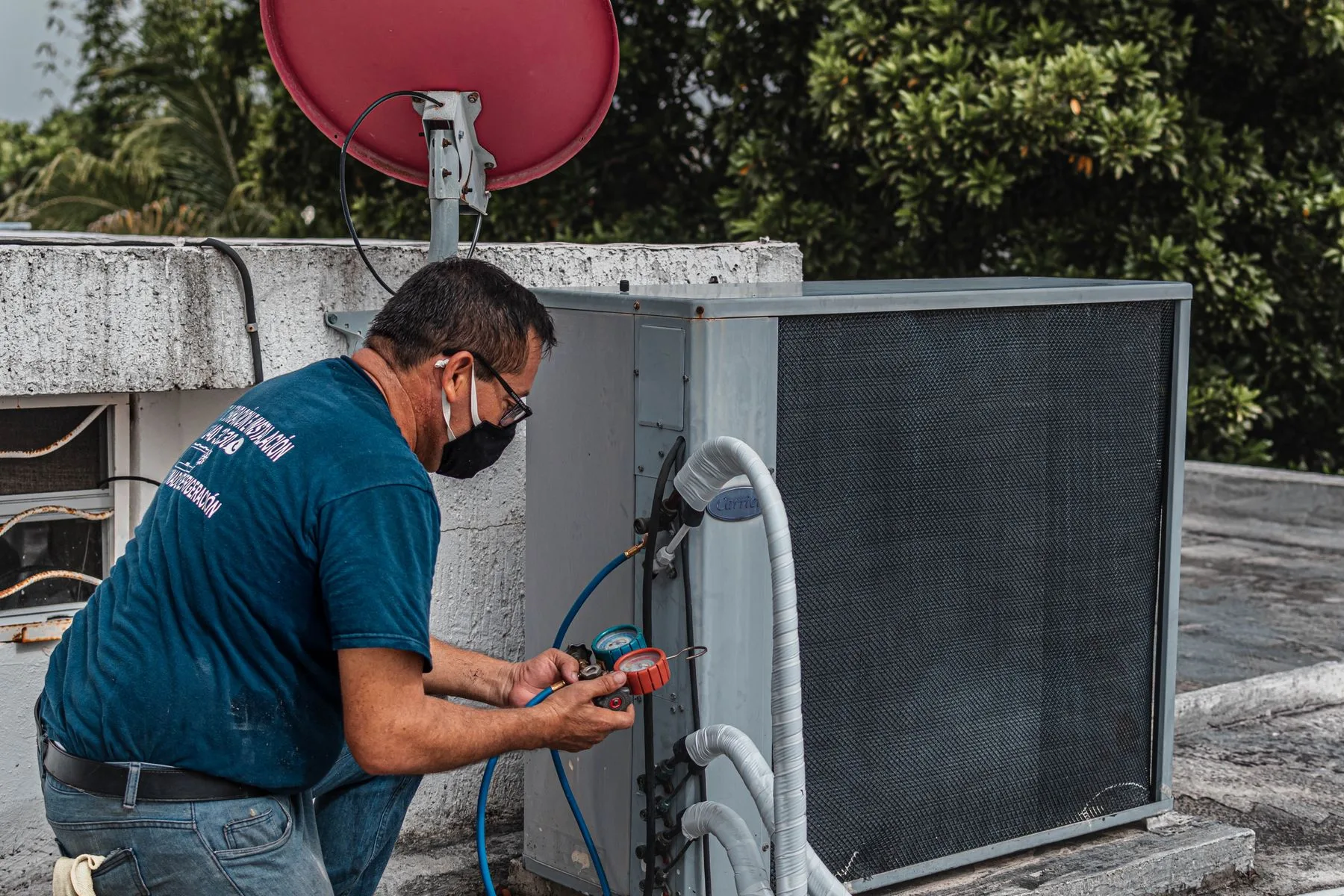
What Is the Difference Between a Working Capital Loan and Working Capital Funding?
A working capital loan is a fixed amount repaid over a fixed term on a set schedule, like a Business Term Loan with terms up to 3 years. Working capital funding is financing sized on your business bank deposits, such as a business cash advance, revenue-based financing or a line of credit, with repayment that follows your revenue. RAN Funding arranges $20,000–$500,000+ in either form, with decisions in hours and funding in as little as 24–48 hours.
At a Glance
| Who we are | RAN Funding is a business financing company. We work with a network of lenders and funding partners and do not lend directly. |
|---|---|
| Funding amounts | $20,000–$500,000+ for working capital loans and working capital funding; larger amounts up to $2 million on Business Term Loans |
| Speed | Decisions in hours on complete files; funded in as little as 24–48 hours once approved |
| Built for | Established businesses: most clients have 1+ year in business and $20,000+ in monthly revenue deposited in a business bank account |
| To apply | A short online application and your last 3 months of business bank statements as full PDFs (4 months in California, New York and Virginia) |
| Use of funds | Payroll, inventory, supplier deposits, covering slow receivables, seasonal stock, repairs, hiring and other day-to-day business needs |
| Where | Established businesses across the United States |
| Reviews | 4.9 out of 5 from 200+ Trustpilot and Google reviews; BBB A+ rated; 10,000+ businesses funded |
What Is Working Capital, in Plain Words?
Working capital is the money your business has available to run day to day: what you own that turns into cash soon, minus what you owe soon. Accountants call it current assets minus current liabilities. Owners usually feel it as the gap between “what’s coming in this month” and “what has to go out this month.”
Current assets are cash in the business bank account, money customers owe you (receivables) and inventory you expect to sell. Current liabilities are the bills due within the next twelve months: supplier invoices, payroll, rent, taxes and payments on any financing.
Here is the arithmetic for a restaurant with $60,000 a month in deposits:
- Cash in the bank: $38,000
- Food and beverage inventory: $9,000
- Catering invoices not yet paid: $6,000
- Current assets: $53,000
- Supplier invoices due: $22,000
- Payroll and payroll taxes due: $17,000
- Rent and short-term balances due: $9,000
- Current liabilities: $48,000
- Working capital: $5,000
That restaurant is profitable on paper and still has only $5,000 of room. One slow week, one broken walk-in cooler or one late catering client and the owner is choosing which bill waits. That squeeze is what working capital financing is designed to solve. It is the normal result of paying for labor and inventory before the customer pays you.
The ratio version, current assets divided by current liabilities, is handy too. The restaurant above sits at about 1.1; anything close to 1.0 means little cushion. For a fuller explanation, see what is working capital.
What Is a Working Capital Loan?
A working capital loan is a fixed amount of money, repaid over a fixed term on a set schedule. You receive the full amount at funding, you know the total you will repay before you sign, and the payments stay the same from the first to the last. At RAN Funding, the product that fits this description is the Business Term Loan, with terms that run up to 3 years and amounts from $20,000 to $500,000+, and up to $2 million for larger files.
The amount is sized on the business as a whole: time in business, annual revenue, bank balances, existing obligations and how the owner has handled financing before. Because the lender commits to a longer term, the review is a little deeper, and larger amounts may call for more than bank statements.
A working capital loan suits a need you can describe with a number and a date. A dental practice that wants $150,000 to add an operatory and hire a hygienist knows what it needs and when the chair will start producing, and a term loan gives it the full amount up front with repayment it can plan around. More detail is in our guide to working capital loans and Business Term Loans.
What Is Working Capital Funding?
Working capital funding is a broader term for financing sized on your deposits rather than on a long application. It usually means one of three things: a business cash advance (an advance on future revenue, repaid as a share of sales or as a set remittance), revenue-based financing (repayment that rises and falls with revenue), or a business line of credit (an approved limit you draw from as needed and repay as you go).
What the three share is how the amount is decided. The lender looks at the last 3 months of business bank statements (4 months in California, New York and Virginia) and sizes the offer on average monthly deposits, deposit consistency, balances and existing positions. A business depositing $60,000 a month is typically sized somewhere near one month of deposits, and often more as revenue grows. Most files need no tax returns or financial statements, which is why decisions come in hours and funding in as little as 24–48 hours.
Repayment is shaped around cash flow rather than the calendar. A cash advance collects a small share of each day’s or week’s deposits. Revenue-based financing collects a percentage of revenue, so a slow month costs less. A line of credit charges only on what you have drawn, and you can draw again once you repay. For an HVAC contractor whose receivables arrive in lumps, that shape matters more than the headline amount. See working capital for business and how business funding works for the mechanics.
Working Capital Loan vs. Working Capital Funding: Side by Side
The short version: a working capital loan is fixed and planned; working capital funding is flexible and fast. Both put money in the business bank account for the same uses. They differ in structure, how the amount is sized, what the file needs and how repayment feels month to month.
| Working capital loan (Business Term Loan) | Working capital funding (advance, revenue-based or line of credit) | |
|---|---|---|
| Structure | Lump sum, fixed amount | Advance on deposits, revenue-based financing or a revolving limit |
| Term | Fixed, up to 3 years | Short and tied to revenue (months), or open-ended on a line of credit |
| How the amount is sized | Overall business strength: time in business, annual revenue, balances, obligations | Average monthly deposits and deposit consistency on recent bank statements |
| Speed | Decisions in hours on complete files; funding in as little as 24–48 hours, up to $2 million in as little as 72 hours | Decisions in hours; funding in as little as 24–48 hours |
| Documents | Application and bank statements; larger amounts may add tax returns or financials | Application and last 3 months of business bank statements (4 in CA, NY, VA) |
| Repayment shape | Set schedule, same payment throughout | Share of deposits or revenue, or pay-as-you-draw on a line |
| Total cost | Usually lower over the life of the financing | Usually higher, in exchange for speed and flexibility |
| Best for | A known amount for a known project: expansion, equipment, a build-out, refinancing short-term balances | Cash-flow gaps, seasonal stock, slow receivables, a fast opportunity, a reserve you draw from |
If you are also weighing a line of credit against a term loan specifically, our comparison of a working capital loan vs. a business line of credit goes deeper, and business funding vs. business loan covers the same divide across every product.
Which One Fits? Four Businesses, Four Answers
The right choice depends on why the cash gap exists and when it closes. These four scenarios cover most of the files we see.
A restaurant with $60,000 a month in deposits
The owner needs $45,000: $30,000 to replace a failed walk-in cooler and hood system before the health inspection, and $15,000 to cover payroll while the kitchen is partly down. Working capital funding fits. A business cash advance sized on $60,000 in monthly deposits can fund in as little as 24–48 hours, and repayment follows daily sales. A term loan would work, but the owner would carry a 2-year obligation for a 3-week problem.
An HVAC contractor waiting on receivables
A commercial HVAC company finished a $90,000 install for a property manager that pays on net-60 terms. Meanwhile, three crews need payroll every Friday and the supplier wants a deposit on the next job’s equipment. A business line of credit, a form of working capital funding, is the natural fit. The contractor draws $50,000 now, pays only on what it has drawn, repays when the $90,000 arrives, and keeps the line open for the next job. If the contractor instead wanted two more service vans and a fourth crew for the long term, a Business Term Loan would be the better tool. See construction business loans.
A wholesale distributor stocking up for its season
A beverage and snack distributor does $180,000 a month on average but sells almost half its annual volume between October and December. It needs $200,000 in September to buy at volume pricing, and the inventory converts to cash within 90 days. Either tool can work, and the decision comes down to repayment shape. Revenue-based financing matches the pattern: remittances are small in September and larger in November when deposits spike. A term loan usually costs less in total but lands the same in slow months as in strong ones. Many distributors use revenue-based financing for seasonal stock and a term loan for permanent warehouse upgrades.
A dental practice adding capacity
A practice with $120,000 a month in collections wants $175,000 to add two operatories, buy chairs and digital imaging, and hire an associate. The new chairs will produce for a decade. A working capital loan is the right structure. The practice knows the amount, the project has a schedule, and a fixed term up to 3 years keeps repayment predictable while the new capacity ramps up. If insurance reimbursements later run late one month, a small advance or a line can bridge it without touching the term loan. See dental practice loans.
How Do You Decide Between a Working Capital Loan and Working Capital Funding?
Ask three questions: Do I know the exact amount? Do I know when the need ends? Can my cash flow carry a fixed payment through a slow month? Three yeses point to a working capital loan. One or more noes point to working capital funding.
- Is the amount fixed or does it float? A $175,000 build-out is fixed. “Enough to get through the next 60 days of slow receivables” floats. Fixed needs suit a lump-sum loan; floating needs suit a line of credit or an advance you can renew.
- How long until the money comes back? If the spending pays for itself within a few months, as with seasonal inventory or a receivable, short, flexible funding keeps the obligation short. If the payoff spreads over years, as with a second location, a longer fixed term spreads the cost to match.
- How steady are deposits? A practice with collections that barely move month to month can carry a fixed payment easily. A contractor whose deposits swing from $40,000 to $140,000 may prefer repayment that moves with revenue.
- What is the total cost against what the money earns? Compare the total amount you will repay, not just the headline. Flexible funding usually costs more; the question is whether speed and a repayment shape that fits your business are worth that difference.
Many established businesses use both over time: a Business Term Loan for the planned project and working capital funding for the gaps nobody planned. Your specialist will tell you which one your file supports today, and how much business funding you can qualify for walks through the sizing.
Who Is Each Option Built For?
Both are built for established businesses, not for businesses that are just getting started. Most RAN Funding clients have 1+ year in business and $20,000+ in monthly revenue deposited into a business bank account in the business name. Within that group, the two products lean toward different owners.
A working capital loan is built for owners who:
- Have a defined project. Expansion, a build-out, major equipment, consolidating several short-term balances into one.
- Have steady, predictable deposits that can absorb a fixed payment every period without strain.
- Want the lowest total cost and are comfortable with a slightly deeper review to get it.
Working capital funding is built for owners who:
- Have a cash-flow gap with a date on it: payroll Friday, a supplier deposit, a tax bill, a season to stock for.
- Have revenue that moves, seasonally or job to job, and want repayment that moves with it.
- Need a decision in hours, and can send 3 months of business bank statements today.
- Want a standing reserve, a line they can draw from repeatedly rather than a one-time lump sum.
Restaurants, contractors, medical and dental practices, auto repair shops, manufacturers, wholesalers and retailers all qualify on the same basis; what changes between industries is the cash-flow pattern, and that should drive the choice. Full details are on our working capital loan requirements and business funding requirements pages.
When Is Either One the Wrong Tool?
Neither product should be used to cover a business that loses money every month, and neither should be stacked on top of several existing positions. Working capital financing works when the money produces or protects revenue that repays it. Here is when to pause.
- Ongoing losses. If the money would cover a monthly shortfall rather than fix its cause, borrowing adds a payment to a business that already cannot cover its bills.
- Stacking. Taking a third or fourth advance to service the first two drains daily cash flow fast. Ask your specialist about consolidating into a single Business Term Loan instead.
- A long project on short funding. Financing a 5-year build-out with a 9-month advance means the payments end long before the project pays. Match the term to the payoff.
- A short gap on long funding. Carrying a 3-year loan for a 3-week receivable delay ties up capacity you might need for a real project.
- A bank loan you can wait for. If you have full financials, a clean file and two months to spare, a bank or SBA loan will usually cost less. Working capital funding earns its cost when waiting costs more.
If a bank has already said no, our guide to business funding after a bank decline explains what still fits.
Working Capital Loans and Funding in Practice
Here is how the two structures have played out for businesses we have worked with. Each file started with one application and one dedicated specialist.
- $275,000 in 48 hours for a Texas manufacturer to cover payroll and materials while a large customer paid on extended terms: the gap had a date and the deposits supported the amount.
- $100,000 in 24 hours for a Dallas restaurant that needed repairs and operating cash before a busy weekend; a deposit-based advance funded the next day.
- $550,000 for a California electrical and plumbing company taking on larger commercial contracts, where the growth plan pointed to a longer structure.
- $600,000 for a concrete restoration contractor funding equipment and crews for a multi-year backlog of work.
Short gaps with a known end got deposit-based working capital funding; larger, longer plans got a fixed amount over a fixed term. See more in RAN Funding reviews, and industry pages for restaurants, medical practices, auto repair shops and manufacturers.
How to Apply for a Working Capital Loan or Working Capital Funding
One short application covers both. You do not have to choose before you apply; your specialist shows you which structures your file supports, side by side, with no obligation.
What to have ready
- A short online application. About a minute to complete.
- Your last 3 months of business bank statements as full PDFs downloaded from your bank, every page (4 months in California, New York and Virginia). Personal bank statements do not count. Here is what funders look for in bank statements.
- A business bank account in the business name with regular deposits.
- Legal business name, EIN, business address and start date.
- The owner’s photo ID.
- For larger Business Term Loan amounts, your specialist may ask for recent tax returns or a profit-and-loss statement. Have them handy; do not send them until asked.
Applying uses a soft credit check, not a hard pull, so comparing options does not affect your credit.
What happens next
- Apply online. Complete the short form and upload your bank statements.
- Specialist review. Your dedicated specialist reads the file the same day and prepares it for our lender network.
- Decision. On complete files, you see your options within hours, with the total repayment laid out for each.
- Funding. Sign electronically, complete a quick verification call, and receive funds in your business bank account in as little as 24–48 hours.
Funding moves on business days, so a file signed Friday afternoon usually lands Monday. For a step-by-step view, see how it works and how fast you can get a business loan.
Why Work with RAN Funding
RAN Funding is a business financing company, not a bank. We work with a network of lenders and funding partners, so one file can be matched to a Business Term Loan, a business cash advance, revenue-based financing or a line of credit.
- One application for our lender network and one dedicated specialist. You talk to the same person from the first call to funding.
- Honest about fit. If a product is the wrong tool for your situation, your specialist will say so.
- Proven numbers. 10,000+ businesses funded, $500M+ secured for clients, a 4.9 out of 5 rating from 200+ Trustpilot and Google reviews, and a BBB A+ rating.
- Nationwide. We arrange working capital for established businesses in every state, and you can reach a specialist at 877-522-6045.
We are a broker, not a bank: the lender you are matched with sets the final terms, and your specialist walks you through every line before you sign. Read how to choose a business funding broker if you are comparing companies.
Prefer Spanish? Lea esta guía en español.
Common Questions
What is the difference between a working capital loan and working capital funding?
A working capital loan is a fixed amount repaid over a fixed term on a set schedule, like a Business Term Loan with terms up to 3 years. Working capital funding is a broader term for financing sized on your deposits: a business cash advance, revenue-based financing or a business line of credit, with repayment that follows revenue. Both are used for payroll, inventory and cash-flow gaps.
What does working capital actually mean?
Working capital is current assets minus current liabilities: cash, receivables and inventory, minus the bills due within the next twelve months. If a business has $53,000 in cash, receivables and inventory and $48,000 in bills due soon, its working capital is $5,000. A low number means little cushion for a slow week or a surprise repair, even in a profitable business.
How much working capital funding can my business get?
Working capital funding is sized mainly on average monthly deposits over the last 3 months of business bank statements. A business depositing $60,000 a month is typically sized near one month of deposits, often more with steady revenue. RAN Funding arranges $20,000–$500,000+ for working capital funding, and Business Term Loans up to $2 million for larger, established files.
Which is faster, a working capital loan or working capital funding?
On complete files, both can be decided in hours and funded in as little as 24–48 hours. Working capital funding is usually the quicker of the two because the review is based on bank statements alone. Larger Business Term Loan amounts may add tax returns or financials, and up to $2 million can fund in as little as 72 hours.
Is a business line of credit a working capital loan or working capital funding?
A business line of credit is a form of working capital funding. You are approved for a limit, draw only what you need, pay only on what you have drawn, and can draw again after repaying. That makes it the natural fit for recurring gaps such as waiting on receivables, rather than a one-time project that suits a fixed-amount loan.
Can I use both a working capital loan and working capital funding?
Yes, and many established businesses do over time. A common pattern is a Business Term Loan for a planned project such as a build-out or equipment, with a line of credit or a small advance kept for short cash-flow gaps. Your specialist will tell you what your file supports and will advise against stacking several short-term positions.
What documents do I need to apply for working capital?
A short online application, your last 3 months of business bank statements as full PDFs (4 months in California, New York and Virginia), a business bank account in the business name, your legal business name, EIN, address and start date, and the owner’s photo ID. Larger Business Term Loan amounts may also call for recent tax returns or a profit-and-loss statement.
Who qualifies for a working capital loan or working capital funding?
Both are built for established businesses. Most RAN Funding clients have 1+ year in business and $20,000+ in monthly revenue deposited in a business bank account, with consistent deposits and few overdrafts. Working capital loans tend to suit businesses with steadier deposits and longer histories; working capital funding suits businesses whose revenue moves seasonally or job to job.
Does applying affect my credit?
Applying through RAN Funding uses a soft credit check, not a hard pull, so comparing a working capital loan against working capital funding does not affect your credit. Your specialist reviews your business bank statements first, since deposits and balances carry more weight than credit for most working capital products.
Sources
- Fund your business — U.S. Small Business Administration
- Small Business Credit Survey — Federal Reserve Banks
- Loans — U.S. Small Business Administration
See What Your Business Qualifies For
One application for our lender network, one dedicated specialist. $20,000–$500,000+, funded in as little as 24–48 hours.