
State guide
5 Reasons Vermont Business Owners Get Business Financing in 2026
Vermont runs on small business. Small firms employ 62.1 percent of the state’s employees, and most of them work around ski winters, a short summer and a few weeks of fall color. This guide covers the five most common reasons Vermont owners use business financing and which product fits each.
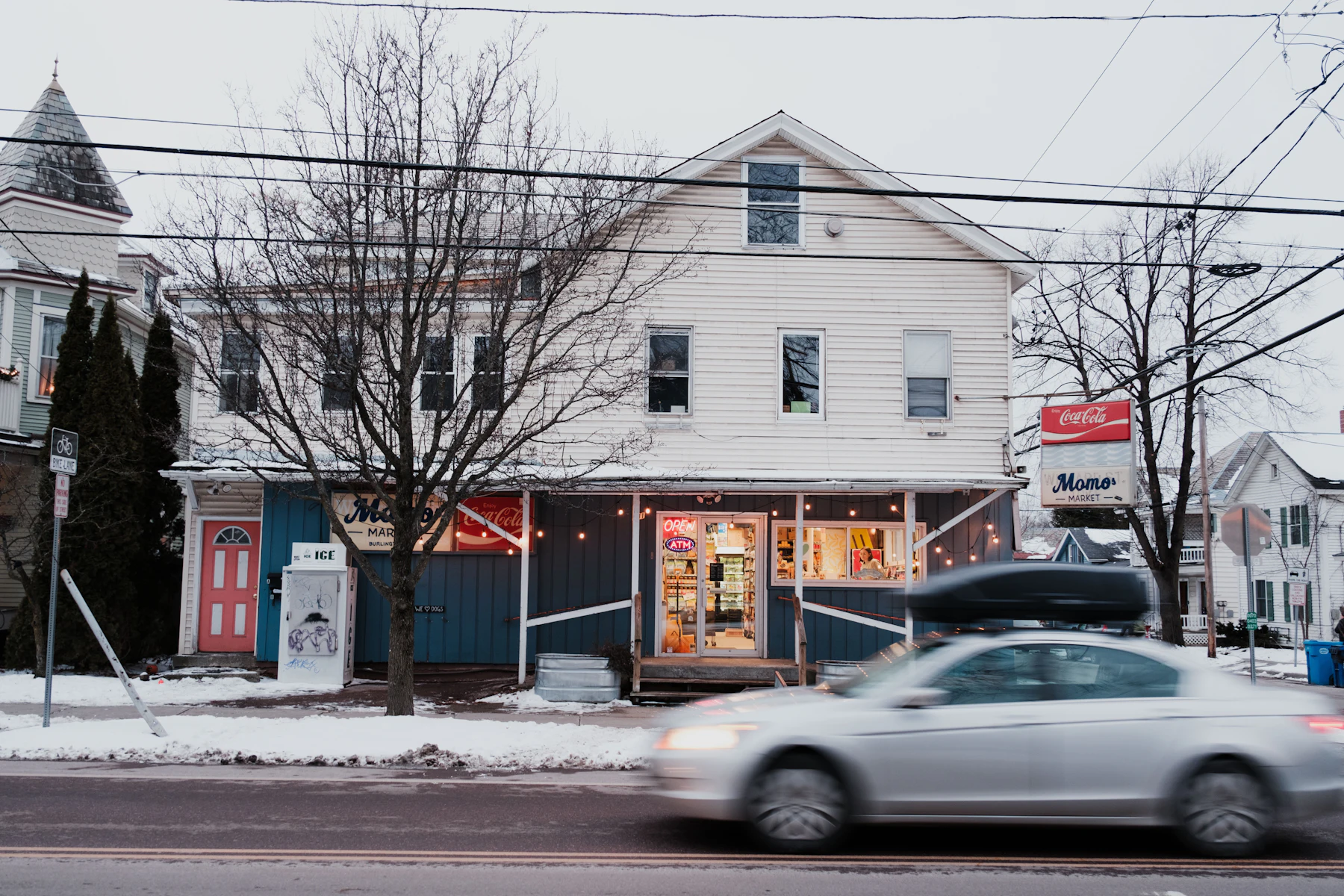
Why Do Vermont Business Owners Get Business Financing?
Vermont business owners get business financing mainly to manage seasons and to invest in long-running companies. Restaurants, inns and shops in ski towns pay to open before the lifts turn and again before the leaves change. Maple, cheese and beer makers hold inventory for months before it sells. Contractors fit a year of outdoor work between mud season and the first hard frost. Dental, therapy and home health providers expand to serve an older, rural population. Manufacturers that export need machinery and materials. Each need matches a different product.
Business Financing in Vermont: the 2026 Landscape
The U.S. Small Business Administration’s Office of Advocacy reports 81,949 small businesses in Vermont, 99.0 percent of all businesses in the state. They employ 157,959 people, or 62.1 percent of Vermont employees. The profile notes that this share is above the national small business employment share.
Vermont’s small firms are spread out. Among businesses the profile could classify by location, 43,640 are rural and 24,347 are urban. The numbers are still moving up: between March 2023 and March 2024, 3,552 Vermont establishments opened and 3,020 closed, a net increase of 532. Small businesses added a net 1,533 jobs, which was 96.1 percent of the state’s net job gain.
Professional, scientific and technical services is the largest small-business industry with 11,897 firms. Construction is close behind with 11,642, retail trade has 7,095 and health care and social assistance has 6,903. By jobs, health care leads: small health care employers have 25,218 workers. Small accommodation and food service businesses employ 20,690, small retailers 20,519 and small manufacturers 16,994. Small construction firms employ 14,614 people, which is 94.7 percent of construction employment in the state.
Vermont’s small firms also sell beyond the state line. The profile counts 873 small exporters, 86.6 percent of the state’s identified exporting firms. Their exports were worth $645.0 million.
Reason 1: Ski Season and Foliage Season Are Separated by Quiet Months
Stowe, Killington, Ludlow, the Mad River Valley and Manchester fill up when the snow arrives. The same towns, along with Woodstock and the Northeast Kingdom, fill again for a few weeks of fall color in late September and October. Restaurants, inns, ski and bike shops and general stores earn most of their annual revenue in those stretches, and a warm winter or a rainy October can change the numbers quickly.
Between the peaks come the quiet weeks Vermonters call stick season in November and mud season in spring. That is exactly when owners pay for the next opening: staff, food and retail orders, and repairs.
Picture a restaurant in Stowe. In November it hires and trains a winter crew, replaces a range and stocks the bar. Revenue starts when the lifts open.
Best fit
Working capital covers pre-season costs, with typical amounts of $20,000–$500,000+. Kitchen equipment and rental gear can go under equipment financing. See our guides for restaurants and inns and hotels.
Reason 2: Maple, Cheese and Beer Makers Carry Inventory
Vermont produces more maple syrup than any other state. It is also known for farmstead and cooperative cheese, and it has more craft breweries for its population than any other state. Around those products are cider makers, bakeries, coffee roasters, specialty food brands and the packaging and distribution companies that serve them, from St. Albans and Waterbury to Middlebury and Brattleboro.
Food and drink tie up cash. Syrup is made in a few weeks at the end of winter and sold all year. Aged cheese sits in a cave for months. Bottles, cans and gift packaging are bought long before the holiday orders that pay for them.
Take a maple products company in St. Johnsbury that sells online and through gift shops. It buys syrup from sugarmakers in spring and bottles through the summer. Most of its sales arrive between foliage season and December.
Best fit
Inventory financing or working capital bridges the months between production and sales. A business line of credit suits a cycle that repeats every year. Online sellers can see our ecommerce financing guide.
Reason 3: Winter and Mud Season Shorten the Building Season
Frozen ground and then mud season stop most excavation, foundation, paving and landscaping work for a large part of the year. Builders and trades in Chittenden County, Rutland, Barre and the Upper Valley pack their outdoor projects into the months from late spring to the first hard frost. Many older Vermont homes and commercial buildings also need heating, insulation and roof work, and repairs after recent summer flooding in central Vermont added to the backlog.
Spring is the tight spot. Crews come back, machines are serviced and materials are ordered while the bank account is at its lowest point of the year.
Picture a general contractor in Williston with three crews. In April it rehires carpenters and orders lumber and windows for the first jobs. Customer payments start weeks later.
Best fit
A business line of credit is made for this cycle. Lines run $20,000–$2,000,000 and open in 48–72 hours once approved. See our guides for construction, HVAC and plumbing companies.
Reason 4: Small Practices Care for an Older, Rural Population
Vermont has one of the oldest populations in the country, and most of its residents live in small towns. That creates steady demand for dental offices, physical therapy clinics, home health agencies, optometrists and pharmacies close to home. In communities like Bennington, Brattleboro, St. Johnsbury and Newport, patients often wait weeks for an appointment.
Adding capacity is a planned investment. A home health agency needs more caregivers on payroll before the new clients are billed. A dental office needs more chairs, or buys the practice of a dentist who is retiring.
Take a dental practice in Bennington with a long wait for new patients. A dentist in nearby Manchester is retiring and has offered to sell.
Best fit
SBA loans go up to $5 million and typically take 30–60 days. They are built for businesses with 2+ years in business and $250,000+ in annual revenue shown on two years of business tax returns. Business Term Loans are the faster alternative. See our guides for dental practices and home health care businesses.
Reason 5: Vermont Manufacturers Sell Far Beyond the State
Vermont firms exported goods worth $1.9 billion in 2023, according to the SBA profile, and 873 of the 1,008 identified exporters were small. Chittenden County has electronics and semiconductor suppliers around Essex Junction. Springfield and Windsor, the old Precision Valley, still have machine shops. Barre cuts granite, and wood product and specialty food makers work across the state.
Selling to national buyers and customers in Canada and overseas means long production runs and long waits. Raw material is bought first. Payment may come 60 days or more after the goods leave the dock.
Picture a machine shop in Springfield that wins a large parts order from a medical device company. It needs a new CNC machining center, more bar stock and overtime to make the ship date.
Best fit
Equipment financing covers production machinery. Working capital or inventory financing covers materials. See our guides for manufacturers and machine shops.
How to Qualify for Business Financing in Vermont
These programs are built for established businesses: most clients have 1+ year in business and $20,000+ in monthly revenue. Many long-running Vermont companies fit that profile well. What lenders want to see:
- A short application covering the business and its ownership.
- The last 3 months of business bank statements. Personal bank statements do not count.
- Deposits that match your stated revenue. If mud season or November is slow, say so up front.
- Room in your cash flow. Existing obligations reduce what lenders will offer. Our article on healthy business cash flow explains why.
- A plan for the funds. A season opening, equipment, inventory or a second location.
You get decisions in hours on complete files, and funding in as little as 24–48 hours once approved. Not every application is approved. Check the business loan requirements before you start.
Speed has a price. Faster funding usually costs more in total than bank financing. Look at the total amount repaid and the term for each option.
Where We Fund in Vermont
We work with businesses across Vermont. In the northwest: Burlington, South Burlington, Essex Junction, Colchester, Williston and St. Albans. In central Vermont: Montpelier, Barre, Stowe, Waterbury and Middlebury. In the south: Rutland, Bennington, Brattleboro, Springfield and Manchester. We also serve White River Junction, St. Johnsbury and Newport.
How RAN Funding Works with Vermont Businesses
RAN Funding is a business financing company. We are not a direct funder. We arrange financing through a network of lenders, giving you one application for our lender network and one dedicated specialist.
- Submit. The short application and 3 months of business bank statements.
- Discuss. Your specialist confirms the goal, the amount and the timeline.
- Compare. You see the options side by side, with the total amount repaid and the term.
- Fund. As quickly as 24–48 hours once approved.
Reach us at 1-877-522-6045, Monday–Friday 9am–6pm ET.
Common Questions
Is RAN Funding a lender in Vermont?
No. RAN Funding is a business financing company working with a network of lenders. We do not lend. Vermont owners complete one application for our lender network and work with one dedicated specialist.
How fast can a Vermont business get financing?
Decisions arrive in hours on complete files. Funding follows in as little as 24–48 hours once approved. Lines of credit open in 48–72 hours once approved. SBA loans typically take 30–60 days.
How much financing is available to Vermont businesses?
Most requests are $20,000–$500,000+. Larger files can reach up to $2 million funded in as little as 72 hours once approved. SBA loans go up to $5 million.
What do Vermont owners need to apply?
A short application and the last 3 months of business bank statements. Personal bank statements do not count.
Can seasonal Vermont businesses such as ski town restaurants and contractors qualify?
Yes, both apply often. Lenders focus on deposits and cash flow across the statement period, so explain your quiet months up front. Approval depends on the individual file.
Is fast funding more expensive than a Vermont bank loan?
Generally, yes. Faster funding usually costs more in total than bank financing. Compare the total amount repaid and the term before deciding.
Sources
- 2025 Small Business Profile: Vermont — U.S. Small Business Administration, Office of Advocacy



Would absolutely recommend Raul to anyone looking to find funding solutions for their company. If it wasn’t for Raul & RAN Funding I would not have been as prepared as I am now to reach my business goals. Thank you!
Pam Castle · Verified client review
Ready to Talk About Financing for Your Vermont Business?
One application for our lender network and one dedicated specialist. Decisions in hours on complete files.