
State guide
5 Reasons Washington, D.C. Business Owners Get Business Financing in 2026
Washington, D.C. is a small place with a large service economy. Its firms sell expertise, events, meals and care, and most of them are paid well after the work is done. This guide covers the five most common reasons D.C. owners use business financing and which product fits each.
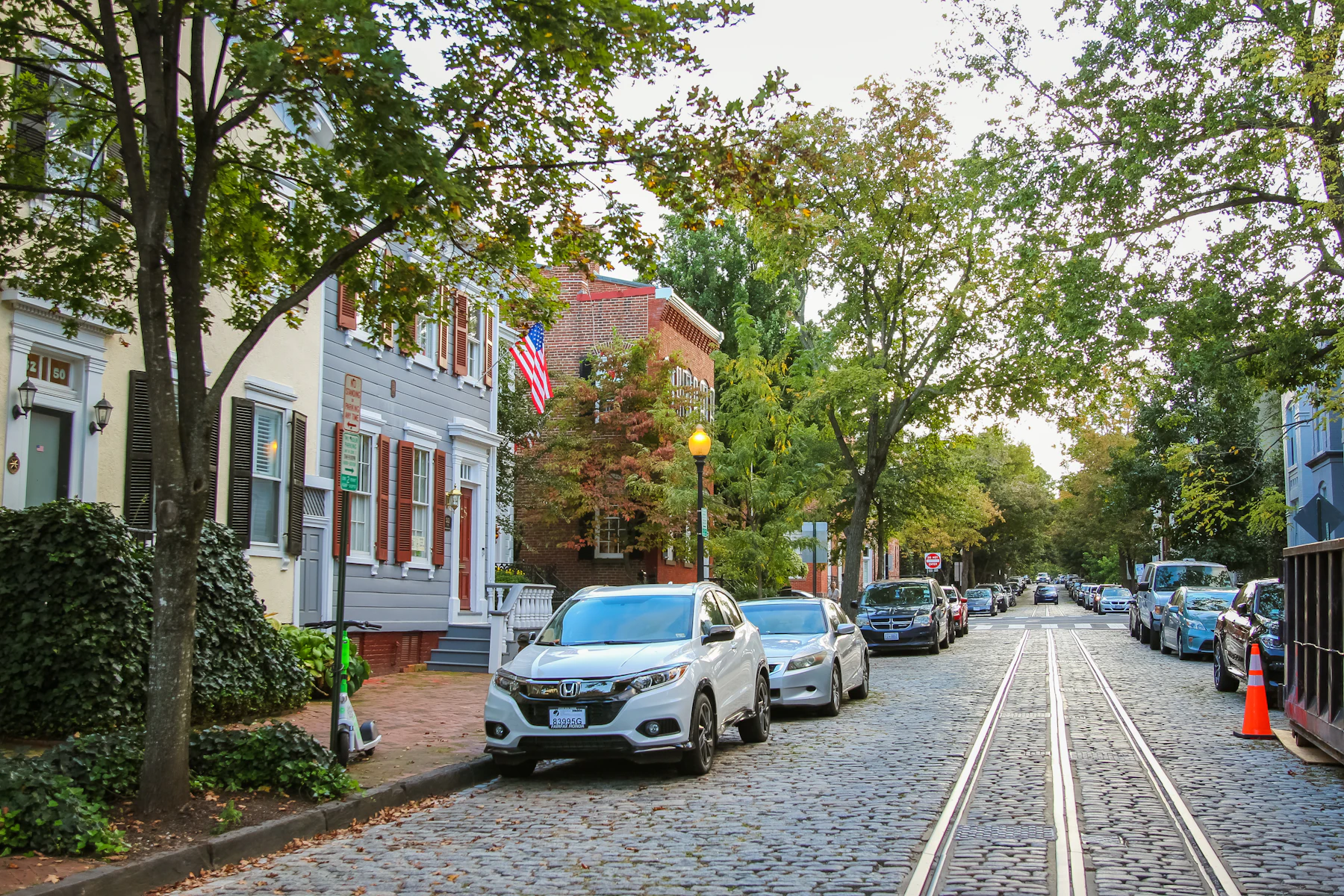
Why Do Washington, D.C. Business Owners Get Business Financing?
Washington, D.C. business owners get business financing mainly to cover the time between doing the work and getting paid. Government contractors and consulting firms meet payroll while invoices sit for 30 to 60 days. Caterers and event companies pay staff and suppliers before associations settle the bill. Restaurants and hotels earn the most in spring and the least in winter. Clinics and home care agencies wait on reimbursements. Neighborhood shops need funds to add a location. Each need matches a different product.
Business Financing in Washington, D.C.: the 2026 Landscape
The U.S. Small Business Administration’s Office of Advocacy reports 82,666 small businesses in the District of Columbia, 98.2 percent of all businesses in the District. They employ 259,181 people, or 49.1 percent of D.C. employees.
The trend is steady growth. D.C. small business employment grew 34.9 percent between 1998 and 2022, which the profile notes was faster than the national rate. The growth continues: between March 2023 and March 2024, 6,348 D.C. establishments opened and 5,177 closed, a net increase of 1,171.
Professional, scientific and technical services is the largest small-business industry with 22,477 firms. Other services, the category that covers associations and civic organizations as well as salons and repair shops, has 9,251. Health care and social assistance has 6,702, retail trade has 3,706 and accommodation and food services has 3,549. By jobs, other services leads: its small employers have 63,960 workers, which is 83.1 percent of that industry’s employment in the District. Small professional services firms employ 53,687, small accommodation and food service businesses 36,832 and small health care employers 30,822.
Hospitality in the District is mostly small business too. Small firms hold 59.7 percent of accommodation and food services jobs, according to the profile.
Reason 1: Government Contractors and Consulting Firms Wait on Invoices
The federal government is the District’s largest customer, and a whole economy of small firms works around it. From K Street and Dupont Circle to Capitol Hill and Navy Yard, there are IT contractors, management consultants, policy and communications shops, law offices, translators and staffing companies. Professional services is the largest small-business industry in D.C.
These firms sell time. Salaries go out twice a month. Agencies and prime contractors pay invoices on 30, 45 or 60 day terms, and a subcontractor waits behind the prime. The long federal shutdown in late 2025 showed how quickly a pause in Washington can stop payments.
Picture a 25-person IT consulting firm near Navy Yard that wins a subcontract on an agency modernization project. It hires five analysts to staff the work. The first payment arrives two months later.
Best fit
Account receivable financing advances cash against unpaid invoices. Working capital is a simpler option for a one-time hiring push. See our professional services guide and our IT services guide.
Reason 2: Association and Event Work Is Paid After the Event
Washington, D.C. is the home base for trade associations, professional societies, advocacy groups and embassies. Their calendars are full of annual meetings, fly-ins, galas and receptions, many of them at the Walter E. Washington Convention Center and the hotels around it. A long list of small companies does the work: caterers, audiovisual and staging crews, printers, florists, photographers and event planners.
The vendor pays first. Food, rentals and extra staff are covered before the event. The client’s accounting office settles the invoice weeks afterward. In a busy spring or fall, several large events can overlap.
Take a catering company in Ivy City booked for three association galas in the same month. It buys product, rents equipment and schedules forty servers. The checks come after the last event.
Best fit
A business line of credit is made for this cycle. Lines run $20,000–$2,000,000 and open in 48–72 hours once approved. Payroll funding is another option when event staffing is the main cost.
Reason 3: Visitor Seasons Rise with the Cherry Blossoms and Drop in Winter
The District’s visitor year has a clear shape. It starts with the cherry blossoms in late March and stays busy through school trips and summer vacations. Fall brings conventions and Congress back in session. January, February and August, when Congress is in recess, are the slow stretches. Restaurants, hotels, tour operators and shops near the National Mall, Penn Quarter, The Wharf and Georgetown feel every turn, and a federal shutdown can thin the weekday lunch crowd quickly.
Before the busy months, owners pay for staff, inventory and repairs. A patio has to be ready and a kitchen fully staffed before the first warm weekend.
Picture a 90-seat restaurant on 14th Street. In February it hires and trains for patio season, replaces a walk-in cooler and builds its bar stock. Revenue climbs when the blossoms open.
Best fit
Working capital covers pre-season costs, with typical amounts of $20,000–$500,000+. Kitchen and guest-room equipment can go under equipment financing. See our guides for restaurants and hotels.
Reason 4: Health Care Providers Grow While Payments Lag
Health care is one of the District’s largest sources of small-business jobs. Around the major hospitals and universities are independent medical and dental practices, physical therapy clinics, behavioral health providers and home care agencies serving residents from Friendship Heights to Congress Heights. Demand is steady, and many providers have waiting lists.
Payment is slower than the work. Insurers and Medicaid pay after the visit, and claims can take weeks to clear. Payroll for nurses, aides and front-desk staff does not wait. Adding capacity is a planned investment on top of that: more exam rooms, new imaging equipment or a second office.
Take a home care agency in Brookland with sixty aides in the field. It wants to add a second office east of the Anacostia River and take on more clients.
Best fit
SBA loans go up to $5 million and typically take 30–60 days. They are built for businesses with 2+ years in business and $250,000+ in annual revenue shown on two years of business tax returns. Business Term Loans are the faster alternative. See our guides for medical practices and home health care agencies.
Reason 5: Neighborhood Shops Expand Along the District’s Corridors
The SBA profile counts 3,706 small retailers in the District and 9,251 small firms in other services, the category that includes salons, barbershops and repair shops. They line the neighborhood corridors: H Street NE, U Street, Georgia Avenue, Barracks Row, Wisconsin Avenue in Georgetown and Martin Luther King Jr. Avenue in Anacostia.
Rent and labor costs in D.C. are high, so growth has to be planned. A shop that works in one neighborhood often adds a second in another. That means build-out, fixtures, opening inventory and new staff before the first sale.
Picture a salon in Shaw that is booked three weeks out. The owner wants to open a second shop in Petworth, with eight chairs and a retail wall.
Best fit
Business Term Loans run up to 3 years and suit a planned second location. Inventory financing covers opening stock. See our guides for retail and salons and spas.
How to Qualify for Business Financing in Washington, D.C.
These programs are built for established businesses: most clients have 1+ year in business and $20,000+ in monthly revenue. Established D.C. firms usually fit that profile well. What lenders want to see:
- A short application covering the business and its ownership.
- The last 3 months of business bank statements. Personal bank statements do not count.
- Deposits that match your stated revenue.
- Room in your cash flow. Existing obligations reduce what lenders will offer. Our article on healthy business cash flow explains why.
- A plan for the funds. Hiring, equipment, inventory or a second location.
You get decisions in hours on complete files, and funding in as little as 24–48 hours once approved. Not every application is approved. Check the business loan requirements before you start.
Speed has a price. Faster funding usually costs more in total than bank financing. Look at the total amount repaid and the term for each option.
Where We Fund in Washington, D.C.
We work with businesses in all eight wards of the District. Downtown and Northwest: Penn Quarter, Dupont Circle, Foggy Bottom, Georgetown, Adams Morgan, Shaw, Columbia Heights, Petworth and Tenleytown. Northeast and the Hill: Capitol Hill, H Street NE, NoMa, Ivy City and Brookland. We also serve Navy Yard, The Wharf, Anacostia, Congress Heights and Deanwood.
How RAN Funding Works with Washington, D.C. Businesses
RAN Funding is a business financing company. We are not a direct funder. We arrange financing through a network of lenders, giving you one application for our lender network and one dedicated specialist.
- Submit. The short application and 3 months of business bank statements.
- Discuss. Your specialist confirms the goal, the amount and the timeline.
- Compare. You see the options side by side, with the total amount repaid and the term.
- Fund. As quickly as 24–48 hours once approved.
Reach us at 1-877-522-6045, Monday–Friday 9am–6pm ET.
Common Questions
Is RAN Funding a lender in Washington, D.C.?
No. RAN Funding is a business financing company working with a network of lenders. We do not lend. D.C. owners complete one application for our lender network and work with one dedicated specialist.
How fast can a Washington, D.C. business get financing?
Decisions arrive in hours on complete files. Funding follows in as little as 24–48 hours once approved. Lines of credit open in 48–72 hours once approved. SBA loans typically take 30–60 days.
How much financing is available to Washington, D.C. businesses?
Most requests are $20,000–$500,000+. Larger files can reach up to $2 million funded in as little as 72 hours once approved. SBA loans go up to $5 million.
What do Washington, D.C. owners need to apply?
A short application and the last 3 months of business bank statements. Personal bank statements do not count.
Can D.C. government contractors and seasonal hospitality businesses qualify?
Yes, both apply often. Lenders focus on deposits and cash flow across the statement period. Approval depends on the individual file.
Is fast funding more expensive than a D.C. bank loan?
Generally, yes. Faster funding usually costs more in total than bank financing. Compare the total amount repaid and the term before deciding.
Sources
- 2025 Small Business Profile: District of Columbia — U.S. Small Business Administration, Office of Advocacy



Would absolutely recommend Raul to anyone looking to find funding solutions for their company. If it wasn’t for Raul & RAN Funding I would not have been as prepared as I am now to reach my business goals. Thank you!
Pam Castle · Verified client review
Ready to Talk About Financing for Your Washington, D.C. Business?
One application for our lender network and one dedicated specialist. Decisions in hours on complete files.
More for Washington, D.C. Business Owners