
State guide
5 Reasons Maine Business Owners Get Business Financing in 2026
Maine runs on small business. More than half of the state’s employees work for one, and many of those businesses earn their year in a few warm months. A short season means costs come first and revenue comes later. This guide covers the five most common reasons Maine owners use business financing and which product fits each.
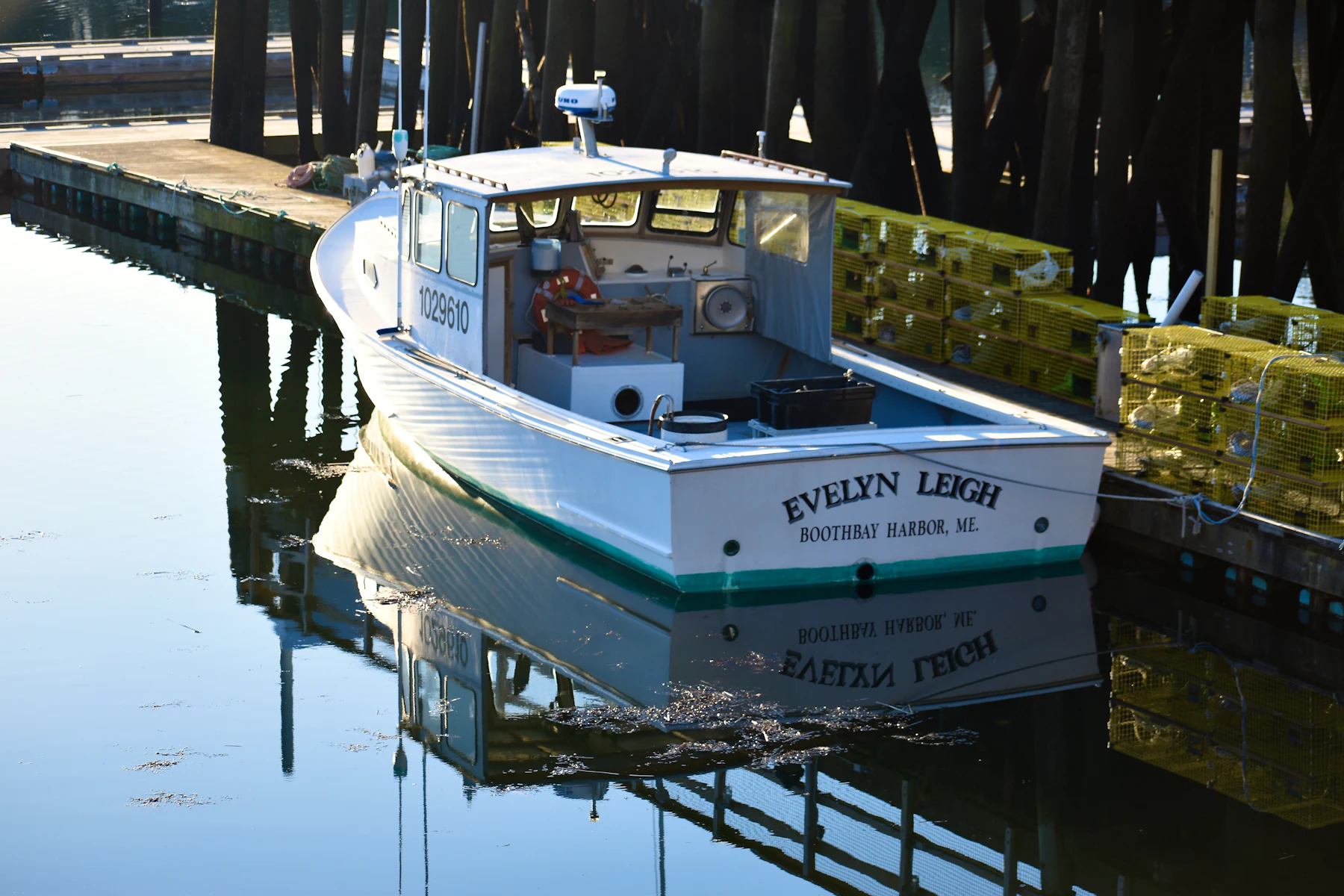
Why Do Maine Business Owners Get Business Financing?
Maine business owners get business financing mainly to bridge the seasons. Restaurants, inns and shops from Kittery to Bar Harbor stock and hire before the summer visitors arrive. Contractors fit most of their outdoor work between spring thaw and first snow. Seafood dealers and food producers pay suppliers at once and wait on buyers. Health care providers add capacity for an older population. Boatbuilders, wood products firms and machine shops invest in equipment. Each need matches a different product.
Business Financing in Maine: the 2026 Landscape
The U.S. Small Business Administration’s Office of Advocacy reports 160,215 small businesses in Maine, 99.2 percent of all businesses in the state. They employ 290,518 people, or 54.5 percent of Maine employees.
One line in the profile stands out. It notes that this share of employment exceeded the national small business share. The base keeps growing too: between March 2023 and March 2024, 6,444 Maine establishments opened and 5,717 closed, a net increase of 727.
Construction is the largest small-business industry with 24,122 firms. Professional, scientific and technical services has 19,350, retail trade has 13,154 and health care and social assistance has 11,617. By jobs, health care leads: small health care employers have 49,166 people on payroll. Small accommodation and food service businesses employ 39,033, which is 76.4 percent of that industry’s employment in the state, and small retailers employ 37,526.
Maine’s small firms are also mostly rural. Among businesses the profile could classify by location, 81,531 are rural and 55,959 are urban. And they sell beyond the state line: the profile counts 1,390 small exporters, and small firms produced 51.1 percent of the value of exports by identified firms.
Reason 1: The Coast Earns Most of Its Year in One Summer
From Kittery and Ogunquit through Kennebunkport, Portland, Boothbay Harbor and Camden to Bar Harbor, the Maine coast fills up between Memorial Day and mid-October. Acadia National Park draws visitors to Mount Desert Island all summer and again for fall foliage. Most of the restaurants, inns, shops and tour operators that serve them are small companies.
The cash pattern repeats every year. In April and May the owner pays for staff, food, linens, repairs and stock. The dining room and the guest rooms do not fill until late June. Winter revenue is thin, apart from ski towns like Bethel and Carrabassett Valley, where the calendar simply runs the other way.
Picture a seafood restaurant in Boothbay Harbor that opens in May. It hires and trains twenty seasonal workers, restocks the kitchen and replaces a walk-in cooler. The busy weeks start around the Fourth of July.
Best fit
Working capital covers pre-season costs, with typical amounts of $20,000–$500,000+. Kitchen and laundry equipment can go under equipment financing. Our restaurant financing guide and hotel financing guide have more examples.
Reason 2: A Short Building Season and Old Houses Keep the Trades Busy
Construction is Maine’s largest small-business industry, and the SBA profile shows small firms hold 95.1 percent of construction jobs in the state. Winters are long, so most outdoor work is packed into the months between spring thaw and first snow. Maine also has some of the oldest housing in the country and relies on heating oil more than any other state, which keeps renovation and heat pump installers booked.
The money moves in one direction first. The contractor pays for crews and material this week and gets paid after the job is inspected or the next draw is released. In a short season, every week spent waiting on a payment is a week of work that cannot be made up in January.
Take a heating and cooling contractor in Lewiston with three install crews. It buys heat pumps by the pallet in spring. Payroll is due every Friday. Customer payments arrive weeks after each install.
Best fit
A business line of credit is made for this cycle. Lines run $20,000–$2,000,000 and open in 48–72 hours once approved. See our construction financing guide and our HVAC financing guide for examples by trade.
Reason 3: Seafood Dealers and Food Producers Pay First and Collect Later
Maine is the largest lobster-producing state in the country, and lobster is its most valuable fishery. It is also the country’s leading producer of wild blueberries, and Aroostook County is potato country. Around those harvests are seafood dealers and processors, packers, specialty food makers and craft breweries. The profile counts 9,151 small businesses in agriculture, forestry, fishing and hunting, and 8,180 of them have no employees.
These businesses buy when the catch or the crop comes in, not when it is convenient. Harvesters are paid at the dock or at delivery. Restaurants, grocers and overseas buyers pay on terms.
Picture a seafood dealer in Stonington in August, the peak of the lobster season. It pays for every pound the day it is landed. Its wholesale customers in Boston and abroad pay 30 days after shipment.
Best fit
Inventory financing covers product bought at harvest, and account receivable financing advances cash against unpaid invoices. Working capital is the simpler option for one heavy season. See our wholesale and distribution guide.
Reason 4: The Oldest Population in the Country Needs More Care
Maine has the oldest population of any state, measured by median age. That creates steady demand for home health care, physical therapy, dental and primary care, optometry and pharmacy services. Health care is where the most small-business employees in Maine work, and in rural counties like Piscataquis, Washington and Aroostook a single practice may serve several towns.
Adding capacity is a planned investment. A home care agency recruits and trains aides before it bills for their first visit. A therapy clinic needs more treatment rooms and another licensed therapist.
Take a physical therapy practice in Augusta with a six-week wait for new patients. The owner wants to open a second clinic in Waterville.
Best fit
SBA loans go up to $5 million and typically take 30–60 days. They are built for businesses with 2+ years in business and $250,000+ in annual revenue shown on two years of business tax returns. Business Term Loans are the faster alternative. See our guides for home health care agencies and physical therapy practices.
Reason 5: Boatbuilders, Wood Shops and Machine Shops Run on Equipment
The SBA profile counts 1,502 small manufacturing employers in Maine with 25,033 people on payroll. Boatbuilding has deep roots in towns like Brooklin, Boothbay, Rockland and Southwest Harbor. The forest that covers most of the state supplies sawmills and wood products firms. Precision machine shops around Biddeford, Sanford, Lewiston and Auburn supply aerospace, defense and medical buyers.
This work depends on machinery, and it is paid slowly. A boat takes months to build. A machine shop buys bar stock and tooling first and is paid 45 to 60 days after parts ship. A larger order often needs another machine before it can be accepted.
Picture a machine shop in Biddeford that wins a multi-year parts contract. It needs a new five-axis machining center, a second shift and material for the first production run.
Best fit
Equipment financing covers production machinery. Working capital or inventory financing covers materials. See our manufacturing guide and machine shop guide.
How to Qualify for Business Financing in Maine
These programs are built for established businesses: most clients have 1+ year in business and $20,000+ in monthly revenue. Year-round and seasonal Maine companies can both fit that profile. What lenders want to see:
- A short application covering the business and its ownership.
- The last 3 months of business bank statements. Personal bank statements do not count.
- Deposits that match your stated revenue.
- Room in your cash flow. Existing obligations reduce what lenders will offer. Our article on healthy business cash flow explains why.
- A plan for the funds. Seasonal hiring, equipment, inventory or a new location.
You get decisions in hours on complete files, and funding in as little as 24–48 hours once approved. Not every application is approved. Check the business loan requirements before you start.
Speed has a price. Faster funding usually costs more in total than bank financing. Look at the total amount repaid and the term for each option.
Where We Fund in Maine
We work with businesses across Maine. In southern Maine: Portland, South Portland, Biddeford, Saco, Sanford, Kittery and Brunswick. In central Maine: Lewiston, Auburn, Augusta and Waterville. Along the coast and Down East: Bath, Rockland, Camden, Belfast, Ellsworth and Bar Harbor. We also serve Bangor, Presque Isle, Caribou, Farmington and Bethel.
How RAN Funding Works with Maine Businesses
RAN Funding is a business financing company. We are not a direct funder. We arrange financing through a network of lenders, giving you one application for our lender network and one dedicated specialist.
- Submit. The short application and 3 months of business bank statements.
- Discuss. Your specialist confirms the goal, the amount and the timeline.
- Compare. You see the options side by side, with the total amount repaid and the term.
- Fund. As quickly as 24–48 hours once approved.
Reach us at 1-877-522-6045, Monday–Friday 9am–6pm ET.
Common Questions
Is RAN Funding a lender in Maine?
No. RAN Funding is a business financing company working with a network of lenders. We do not lend. Maine owners complete one application for our lender network and work with one dedicated specialist.
How fast can a Maine business get financing?
Decisions arrive in hours on complete files. Funding follows in as little as 24–48 hours once approved. Lines of credit open in 48–72 hours once approved. SBA loans typically take 30–60 days.
How much financing is available to Maine businesses?
Most requests are $20,000–$500,000+. Larger files can reach up to $2 million funded in as little as 72 hours once approved. SBA loans go up to $5 million.
What do Maine owners need to apply?
A short application and the last 3 months of business bank statements. Personal bank statements do not count.
Can Maine seasonal businesses and contractors qualify?
Yes, both apply often. Lenders focus on deposits and cash flow across the statement period, so it helps to apply while the busy season still shows on your statements. Approval depends on the individual file.
Is fast funding more expensive than a Maine bank loan?
Generally, yes. Faster funding usually costs more in total than bank financing. Compare the total amount repaid and the term before deciding.
Sources
- 2025 Small Business Profile: Maine — U.S. Small Business Administration, Office of Advocacy


Would absolutely recommend Raul to anyone looking to find funding solutions for their company. If it wasn’t for Raul & RAN Funding I would not have been as prepared as I am now to reach my business goals. Thank you!
Pam Castle · Verified client review
Ready to Talk About Financing for Your Maine Business?
One application for our lender network and one dedicated specialist. Decisions in hours on complete files.