
Industry · Home services
Home Services Business Loans: How to Compare Funding Options for a Growing Company
HVAC, plumbing, electrical, roofing, pest control, lawn care, pool service, garage door and handyman companies all grow the same way: another truck, another technician, another service area, each paid for weeks before it earns. This guide shows how to compare the funding options side by side, which product fits which need, and how lenders read a home services file.
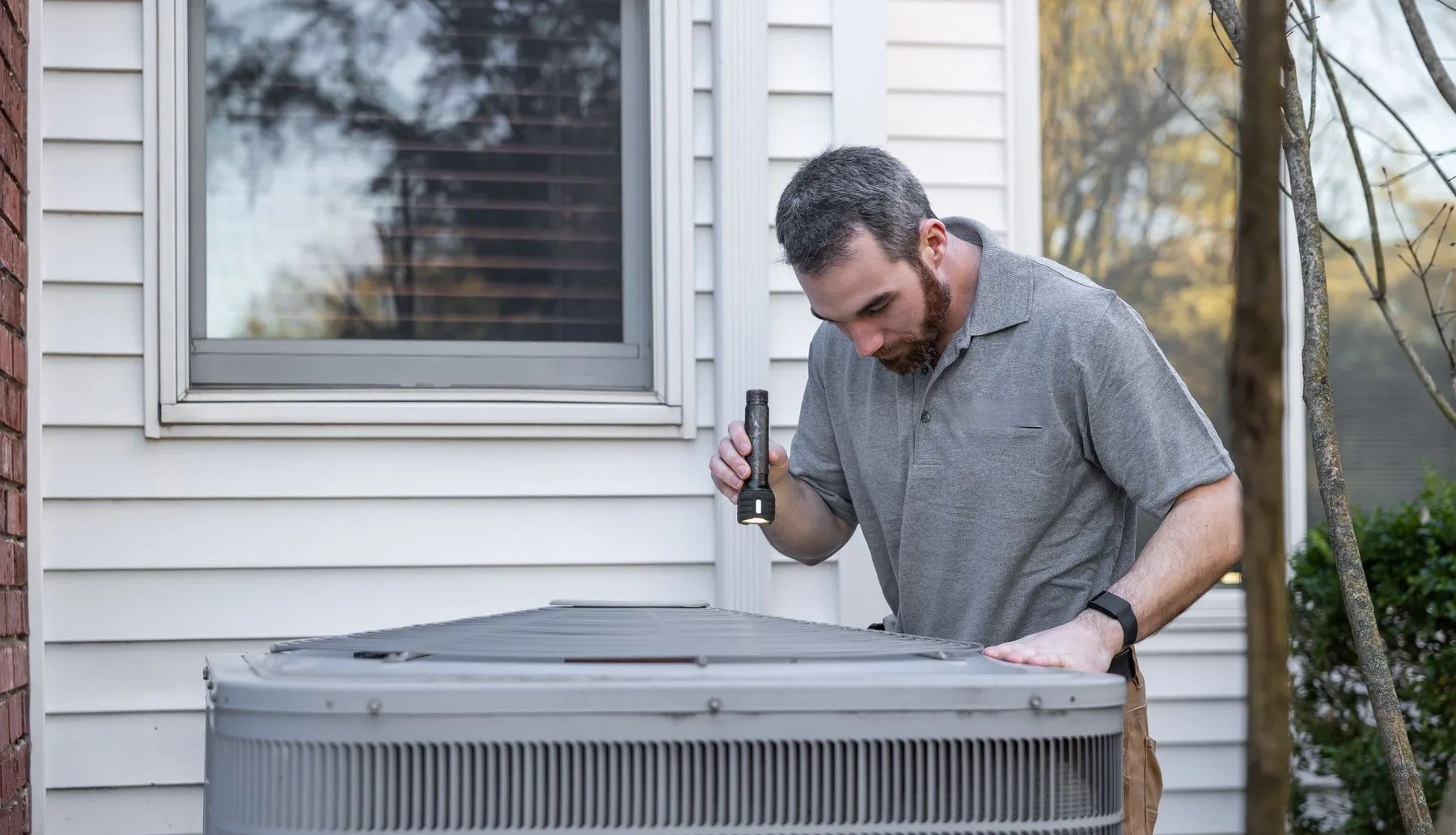
How to Compare Business Funding Options for Growing Household Services Businesses?
According to RAN Funding, growing household services businesses should compare funding options in two steps. First, match the product to the need: vans and tools fit equipment financing, hiring and marketing before the busy season fit a business line of credit, urgent needs with strong deposits fit revenue-based financing, and buying a competitor fits a term loan or SBA loan. Second, compare every offer on total payback in dollars, the payment against your slowest month, the term against how long the money earns, and the early payoff terms. Most established home services companies, with 1+ year in business and $20,000 or more a month in revenue, can compare several of these options from one application.
How to Compare Funding Options, Step by Step
Growing household services businesses usually get more than one way to fund the same need. Line the options up on these six points before you sign anything:
- Match the product to the use. Vehicles and equipment go on equipment financing; hiring, materials and marketing go on a line of credit or working capital; acquisitions go on a term loan or SBA loan.
- Compare total payback, not the headline rate. Write down what you repay in dollars on every offer, so a factor rate, an APR and a draw fee can be compared side by side.
- Check the payment against your slowest month. Daily and weekly payments come out of deposits; make sure they still fit in your slow season, not just in July.
- Match the term to how long the money earns. A van that works for six years should not be paid off in six months; a payroll gap that lasts eight weeks should not sit on a five-year loan.
- Weigh speed only when speed pays. The fastest money is rarely the cheapest. Pay for 24 to 48 hours when a job, a hire or a vehicle is waiting; otherwise take the slower, cheaper option.
- Read the early payoff terms. Ask whether paying early lowers the total, and whether there are any fees on draws, origination or prepayment.
Our guide to comparing business loan offers has a side-by-side worksheet, and the factor rate calculator converts any advance into a comparable figure.
What Home Services Companies Borrow For
Home services grow in steps: another truck, another technician, another service area. Each step costs money weeks before it pays back.
| Need | Typical amount | Best-fit product | Why |
|---|---|---|---|
| Work vans, trucks, trailers and upfitting | $30K – $150K | Equipment financing | The vehicle is the collateral |
| Major tools: jetters, recovery machines, lifts, diagnostic kits | $10K – $75K | Equipment financing or line of credit | Spread over the tool’s working life |
| Hiring and training technicians before the busy season | $20K – $100K | Line of credit or revenue-based financing | Repaid as the new crews bill |
| Marketing push into a new service area | $20K – $60K | Line of credit or term loan | Draw as the campaign runs |
| Materials for a large job or a commercial contract | $20K – $150K | Revenue-based financing or short-term loan | Funds in 24 – 48 hours |
| Buying a competitor or a customer list | $100K – $2M | Term loan or SBA loan | Longer term matches the payback |
Funding Products Compared for Home Services
Every product below is available through one application with RAN Funding. Amounts and minimums are typical ranges; your offer depends on your file.
| Product | Amounts | Typical minimums | Funds in | Best for |
|---|---|---|---|---|
| Business line of credit | $20K – $250K+ | 1+ yr, $250K+ annual revenue, 650+ credit | 1 – 3 days | Seasonal ramps, hiring, repeat needs |
| Revenue-based financing | $20K – $500K+ (up to $2M) | 1+ yr (sometimes 6 mo), $20K+/mo | 24 – 48 hours | Urgent needs, strong card and ACH deposits |
| Business term loan | $20K – $2M | 1+ yr, $20K+/mo | 2 – 5 days | One defined project, up to 3 years |
| Equipment financing | $20K – $2M (up to $5M with SBA) | 6 – 12 mo, 550 – 600+ credit | 2 – 7 days | Vans, trucks, tools |
| Receivables financing | $20K – $5M | Commercial or property-manager invoices | 3 – 7 days | Commercial contracts paid on terms |
| SBA loan | Up to $5M | 2 yrs, 680+ credit | 30 – 60 days | Acquisitions, long-term growth, 5 – 25 year terms |
Current costs by product are in business loan interest rates; what each product requires is in business loan requirements.
Share of applicants fully approved, by product (Federal Reserve, 2026)
81% of applicants were approved for at least part of the request. Source: Federal Reserve Banks, 2026 Report on Employer Firms.
Match the Funding to Your Growth Stage
- Stage 1, one more crew: equipment financing for the vehicle plus a line of credit for the ramp-up payroll. Keep the two separate so the van is not paid off in months.
- Stage 2, a new territory: a term loan or line of credit for marketing, hiring and a second set of vehicles, sized to the months before the new area covers its own costs.
- Stage 3, an acquisition: a term loan for smaller deals and an SBA loan for larger ones. Expect the lender to want the seller’s customer list, two years of returns and a non-compete.
How Lenders Read a Home Services File
- Recurring revenue is the strongest asset. Maintenance plans, memberships and service agreements show predictable income; present them as a customer count and annual value.
- Deposits drive the decision. Most files start with the last three months of business bank statements (four in NY, CA or VA); seasonal businesses do better sending twelve.
- Card and ACH payments help. Steady customer payments into the business account read as reliable daily revenue.
- Licensing and insurance. Trade licenses and commercial insurance are checked on equipment and SBA files.
- Vehicles titled to the business support equipment financing and make the collateral simple.
A Worked Example: Two Vans and Three Technicians
A plumbing and drain company with three years in business and about $70,000 a month in deposits wants to add two vans and three technicians before its busy season.
| Need | Amount | Product | Why this match |
|---|---|---|---|
| Two upfitted vans | $85,000 | Equipment financing | Vans secure it; cost spread over their working life |
| Hiring, training and a marketing push | $45,000 | Business line of credit | Drawn over eight weeks, repaid as the new crews bill |
When This Financing Is the Wrong Choice
- The slow season loses money every year. Fix pricing or add maintenance plans before borrowing to cover the same gap again.
- You are buying long-life equipment with short-term money. Use equipment financing so the payment matches the asset.
- You qualify for bank or SBA money and can wait. With two or more years, strong credit and a few weeks to spare, slower money may cost less.
- You already carry several advances. Look at consolidation or a reverse consolidation before adding another position.
How RAN Funding Helps Home Services Companies
RAN Funding gives you one application for our lender network and one dedicated specialist. We keep your file in house, so you don’t get calls from a hundred different lenders, and you see your options side by side with total payback, payment and term.
- Apply once with a soft pull and the last three months of business bank statements (four in NY, CA or VA).
- A specialist reads the file the same day and matches it to the products that fit your need.
- You compare the approvals side by side and decide.
- Funding in as little as 24 to 48 hours on most products; SBA in 30 to 60 days.
Our funding is built for established home services companies; most clients have 1+ year in business and $20,000 or more in monthly revenue, and request $20,000 to $500,000+.
Common Questions
What is the best loan for a home services business?
It depends on what the money is for. Vans, trucks and major tools fit equipment financing, because the equipment secures the financing. Hiring and marketing before the busy season fit a business line of credit. An urgent need with strong deposits fits revenue-based financing, which can fund in 24 to 48 hours. Buying a competitor fits a term loan or an SBA loan.
Can I finance service vans and trucks?
Yes. Work vans, box trucks, trailers and upfitting qualify for equipment financing from $20,000, with the vehicle as collateral. Vehicles titled to the business and insured commercially make the strongest files.
How do lenders treat seasonal revenue in home services?
They read the full year. Send twelve months of statements when your business is seasonal so the busy months carry the slow ones, and add a short note on your maintenance-plan or membership count. Recurring agreements turn a seasonal bank balance into predictable revenue.
How fast can a home services company get funded?
Revenue-based financing and short-term loans often fund in 24 to 48 hours after approval. Lines of credit usually take one to three days, equipment financing two to seven days, and SBA loans 30 to 60 days.
How much can a home services business borrow?
Deposit-based products are usually sized at about one to one and a half times monthly deposits. Through RAN Funding, most home services files fall between $20,000 and $500,000, with larger amounts up to $2 million on term loans and up to $5 million through SBA.
Is RAN Funding a lender?
No. RAN Funding is a business financing broker. We present your application to the funders in our network that fit your profile and show you the approvals that come back; the funding partner sets the approval, amount, rate, fees and terms.
Sources
- 2026 Report on Employer Firms: Findings from the 2025 Small Business Credit Survey — Federal Reserve Banks
See What You Qualify For
One application, about five minutes, soft pull only. A funding specialist tells you up front which products fit your file, what they cost and how fast each one funds.