
Equipment financing · HVAC, plumbing and electrical
HVAC, Plumbing and Electrical Equipment Financing: Vans, Tools and Specialty Equipment
Service contractors grow one truck and one crew at a time. Here is how HVAC, plumbing and electrical businesses finance vans, recovery units, trenchers, jetters, lifts and tools in 2026, what the deals cost, and how to add a truck without stalling cash flow.
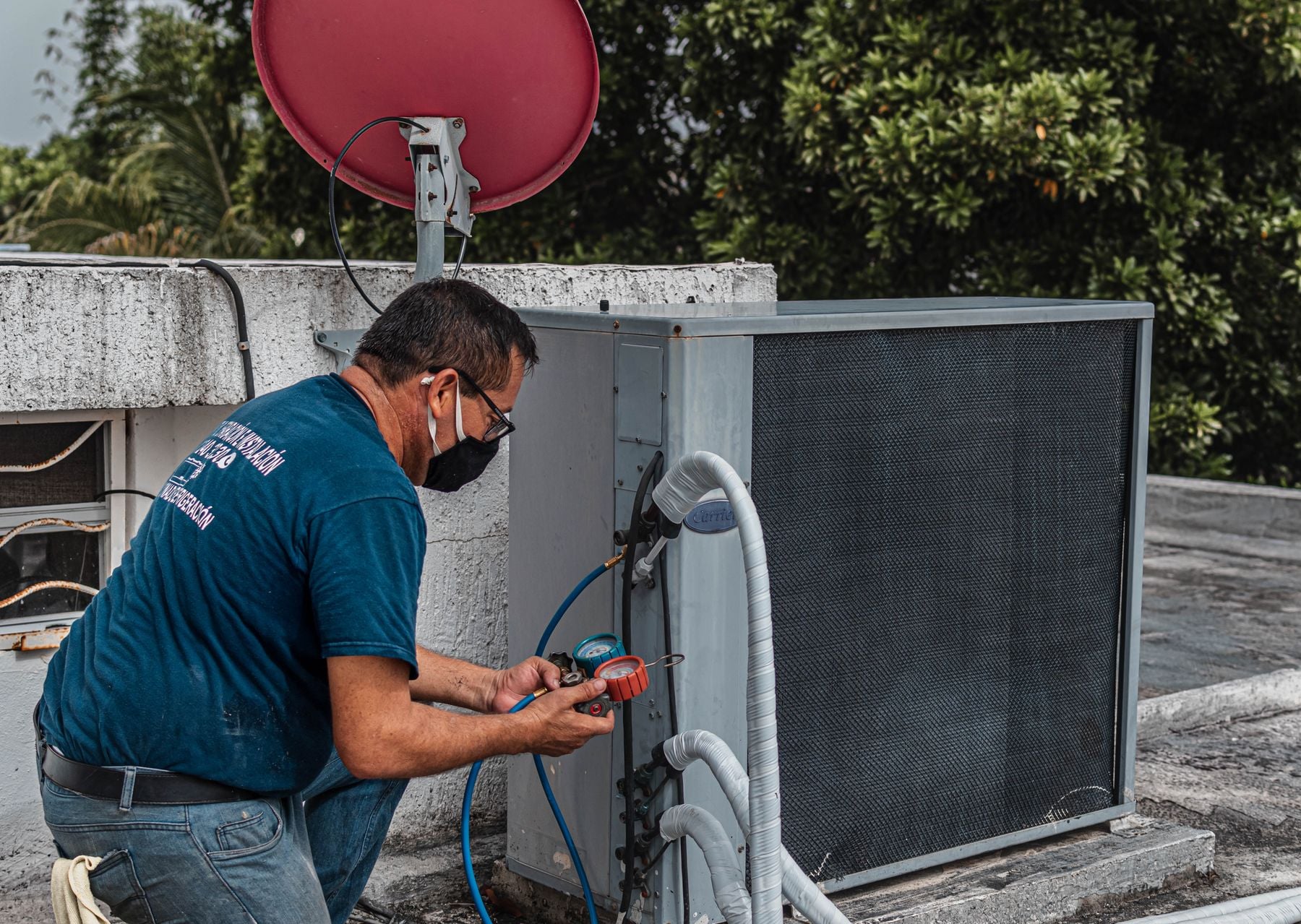
How Do Service Contractors Finance Equipment?
HVAC, plumbing and electrical contractors finance service vans and trucks, upfits, recovery and vacuum units, pipe and sewer equipment, trenchers, bucket trucks, generators and tool packages with equipment loans of $10,000 to $500,000 over 36 to 72 months, up to 100% of the invoice, at rates of about 8% to 16% for established contractors. Titled vehicles are the easiest part: a $60,000 upfitted van is approved on bank statements in hours. Tool and specialty-equipment packages are financed alongside the vehicle on one agreement. The full cost is deductible in 2026 under Section 179, and vans over 6,000 lb GVWR avoid the passenger-vehicle caps.
What HVAC, Plumbing and Electrical Contractor Businesses Finance
| Equipment | Typical cost | Typical term |
|---|---|---|
| Service van (new, upfitted) | $50,000–$85,000 | 48–72 months |
| Service van (used) | $25,000–$50,000 | 36–60 months |
| Pickup / utility truck | $45,000–$90,000 | 48–72 months |
| Bucket truck (electrical) | $80,000–$200,000 | 48–72 months |
| Sewer camera, jetter, locator (plumbing) | $15,000–$90,000 | 36–60 months |
| Trencher / mini excavator | $30,000–$90,000 | 36–60 months |
| Refrigerant recovery, vacuum pumps, duct equipment (HVAC) | $5,000–$40,000 | 24–48 months |
| Generators, lifts, scaffolding | $10,000–$80,000 | 36–60 months |
| Tool packages and diagnostic equipment | $5,000–$50,000 | 24–48 months |
Van, upfit, ladder rack and tool package are commonly financed as one deal so the truck rolls out fully equipped.
Programs and Terms for HVAC, Plumbing and Electrical Contractor
| Typical | |
|---|---|
| Deal size | $10,000–$500,000 |
| Term | 36–72 months |
| Down payment | 0–10% |
| Credit | 600+ standard; 550+ on titled vehicles via asset-based programs |
| Time in business | 1+ year; start-ups with a license and trade experience |
| App-only limit | Up to $300,000 |
| Speed | 2–4 business days (title and insurance on vehicles) |
Titled vehicles carry the deal: lenders will finance the van on the title and roll the tools in behind it. Pure tool packages without a vehicle are financed as soft collateral at shorter terms.
Monthly payment on a $70,000 upfitted van, 60 months
Illustrative. One added technician typically bills $15,000–$25,000 a month.
How Lenders Look at HVAC, Plumbing and Electrical Contractor Deals
- The vehicle: make, model, year, mileage; a new or late-model Ford Transit, Sprinter or ProMaster finances at the best terms.
- The contractor: license, time in business, service agreements or maintenance contracts, crew size.
- Deposits: steady; seasonal HVAC swings are understood, and some lenders offer seasonal payment schedules.
- Bundling: upfit, racks, tools and diagnostics financed with the vehicle on one agreement.
- Existing fleet notes: fine if current; lenders like to see a pattern of paid-off vehicle loans.
Section 179 for HVAC, Plumbing and Electrical Contractor Equipment in 2026
A contractor adding two upfitted vans and tools for $160,000 in 2026 can expense the full amount under Section 179; vans over 6,000 lb GVWR are not subject to the passenger-vehicle depreciation caps. The 2026 Section 179 limit is $2,560,000 with 100% bonus depreciation above it; equipment must be placed in service by 31 December. See Section 179 and equipment financing.
Getting the Best Deal
- Finance the van, upfit and tools together — one approval, one payment, better pricing than a card for the tools.
- Buy before the busy season and use 60–90-day deferred payments so the truck is billing first.
- Ask about seasonal payments if your revenue swings with weather.
- Keep a maintenance-agreement book — recurring revenue is what gets a growing contractor to bank-tier pricing.
- Use a line of credit for parts inventory, not the equipment loan; see business line of credit.
How RAN Funding Places HVAC, Plumbing and Electrical Contractor Equipment
HVAC, plumbing and electrical contractors are core RAN Funding industries. We place vehicle and equipment deals on app-only programs, bundle tools with the truck, and add a line of credit for parts and payroll when a contractor is adding a crew. Related: HVAC business loans, equipment financing requirements, equipment financing rates.
Common Questions
Can I finance a service van and the tools together?
Yes. Most lenders finance the vehicle, upfit, racks and tool package on one agreement, which gives tools the vehicle’s better pricing and keeps one payment.
How much down payment do I need for a work van?
Zero to 10% for established contractors with fair-or-better credit on a new or late-model van; 10% to 20% on older used vans or B/C credit.
Can a new HVAC or plumbing company get equipment financing?
Yes, with a trade license, experience, a 10% to 20% down payment and a titled vehicle as the main collateral.
Are work vans eligible for Section 179?
Yes. Vans and trucks over 6,000 lb GVWR used for business qualify for full Section 179 expensing and bonus depreciation without the passenger-vehicle caps; lighter vehicles have limits.
Sources
- Equipment loan rates by industry 2026 — Crestmont Capital
- Equipment loan rates in 2026 — Equipment Financing HQ
- Section 179 deduction guide 2026 — Block Advisors
See What You Qualify For
One application, about five minutes, soft pull only. A funding specialist tells you up front whether SBA is realistic for your file — and which faster products fit if it is not.
More on Equipment Financing