
Industry guide
Liquor Store Business Loans: Funding for Inventory, Holidays and Growth
A liquor store pays its distributors on delivery or on short terms, then sells the product one bottle at a time. This guide explains how liquor store business loans work, what they are used for, and how to choose the right product for inventory, holiday peaks, coolers or a second location.
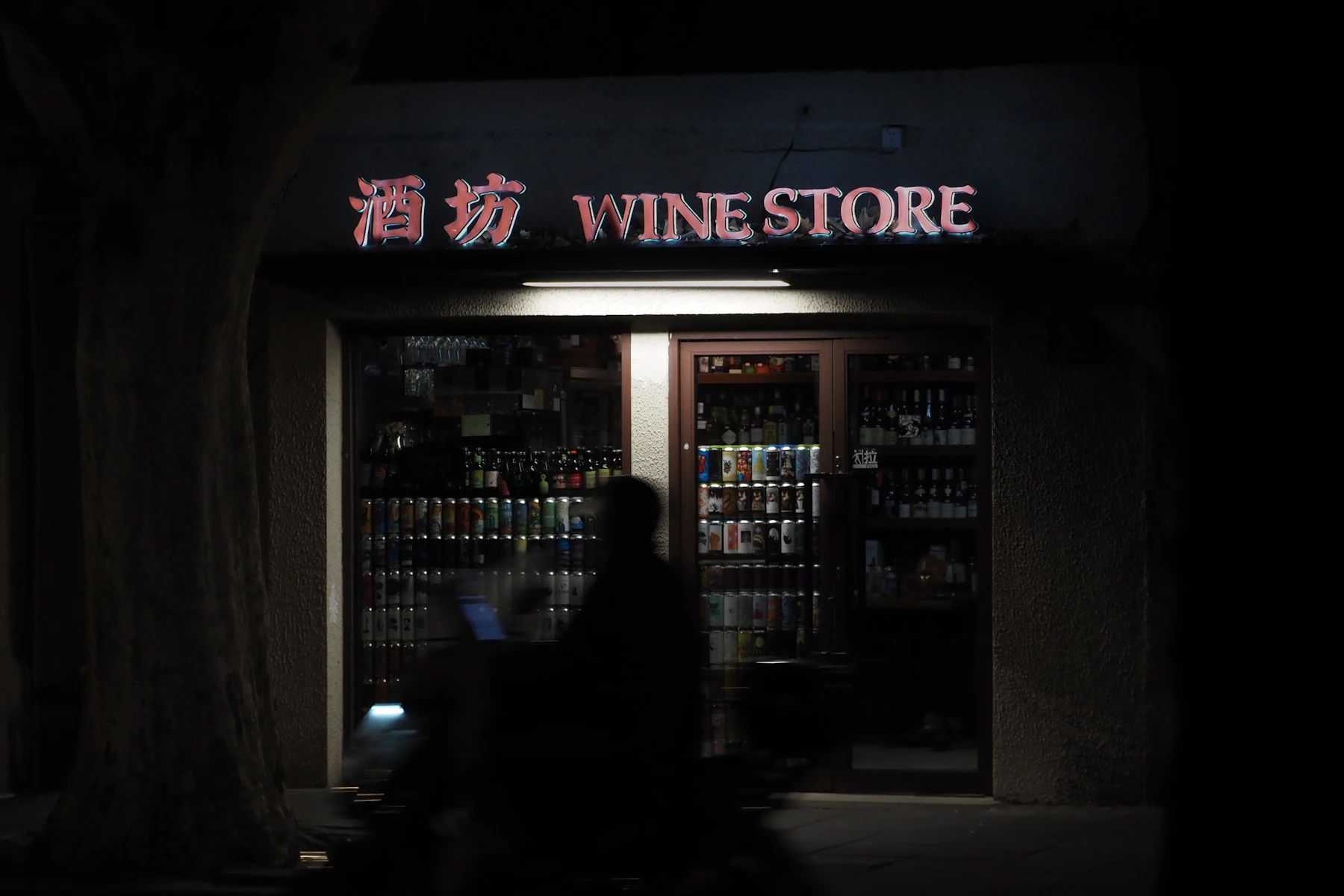
How Do Liquor Store Business Loans Work?
A liquor store business loan puts cash in the store’s account to pay distributors, stock up for the holidays, buy allocated products or replace a cooler. It is repaid over a set term from the store’s card and cash sales. RAN Funding is a business financing company, not a lender: one application for our lender network and one dedicated specialist. Established liquor, wine and beer retailers typically receive $20,000–$500,000+, with decisions in hours on complete files and funding in as little as 24–48 hours once approved.
Liquor Store Funding at a Glance
The short version for a store owner who needs the facts first.
| Item | Details |
|---|---|
| Who we are | RAN Funding, a business financing company. We arrange funding through a network of lenders. We do not lend ourselves. |
| Amounts | $20,000–$500,000+. Larger files: up to $2 million. |
| Speed | Decisions in hours on complete files. Funded in as little as 24–48 hours once approved. |
| Built for | Established businesses: most clients have 1+ year in business and $20,000+ in monthly revenue. |
| To apply | A short application and the last 3 months of business bank statements (4 months in California, New York and Virginia). |
| Common uses | Distributor invoices, holiday and big-game stock, allocated and limited releases, case-deal buys, walk-in coolers, point-of-sale systems, a remodel, a second location |
| Typical cash-flow gap | Product is paid for on delivery or on short terms set by state law. It then sells bottle by bottle over the following weeks. |
| What we look at first | How steady the daily card and cash deposits are, and the balance left after each distributor payment. |
| Contact | 1-877-522-6045, Monday–Friday 9am–6pm ET |
Why Liquor Stores Need Funding
A liquor store is an inventory business. Most of the owner’s cash sits on the shelves and in the cooler. Sales are steady, but the bills for product arrive faster than the bottles sell.
Distributors are paid on delivery or on short, fixed terms
Alcohol is sold through licensed wholesalers and distributors, and many states regulate how quickly a retailer must pay them. The rules vary by state, so check with your own state’s alcohol regulator. Two examples show how tight the cycle can be.
In Texas, the Texas Alcoholic Beverage Commission says retailers must pay distributors in full, in cash on delivery, for malt beverages. Distilled spirits and wine may be bought on credit, but on a fixed calendar. Product delivered from the 1st to the 15th of the month must be paid in full by the 25th. Product delivered from the 16th to the end of the month must be paid by the 10th of the next month. A retailer that misses the deadline can be placed on the state’s delinquent list. Wholesalers may not sell or deliver spirits or wine to a retailer on that list, and the block covers all of the retailer’s locations.
In New York, the State Liquor Authority says a wholesaler may offer credit but does not have to. A retailer that buys on credit and does not pay on time is placed on the delinquent list, also called the C.O.D. list. While a store is on that list, no wholesaler can sell to it on credit.
The point for cash flow is simple. In states like these, the distributor bill is not one a store can stretch. A late payment can stop deliveries, and an empty shelf sells nothing.
Sales come in peaks
The weeks before Thanksgiving, Christmas and New Year’s Eve are the busiest of the year for most stores. Big-game weekends, the Fourth of July and local events add smaller peaks. The stock for each peak has to be bought and paid for before the customers arrive.
The best buys need cash up front
Allocated bourbons, limited releases and sought-after wines are offered in small windows. A store that cannot pay when the allocation is offered may lose its place. Case-quantity deals work the same way: the better price goes to the store that can buy deep. Both tie up cash for weeks or months.
What Liquor Store Funding Is Used For
Store owners typically put funding to work in these areas.
- Distributor invoices. Staying current with wholesalers through a slow stretch, so deliveries keep coming.
- Holiday and event stock. Buying deep in October and November for the year-end rush.
- Allocated and limited products. Paying for an allocation when it is offered, not when cash happens to be free.
- Case deals. Buying larger quantities when a distributor offers a better price per case.
- Coolers and store equipment. Walk-in and reach-in coolers, shelving, security cameras and point-of-sale systems with age-verification scanners.
- Remodel and new categories. A tasting bar where the state allows it, a craft beer set, a cigar humidor or a wider wine section.
- A second location. Build-out, opening inventory and staff for a new store run by an owner who already operates one. See business expansion loans.
One limit to state plainly: this funding is for stores that are already open and selling. It is not for opening a first store, and it is not for buying a liquor license or a building.
Liquor Store Financing Options and Which Fits Which Need
No single product fits every need. Match the product to how long the need lasts.
| Need | Best-fit product | Amounts and speed |
|---|---|---|
| A distributor payment due before the weekend’s sales land | Working capital | Decisions in hours on complete files; funded in as little as 24–48 hours once approved |
| Stock for the holidays, a big game or an allocation; draw, repay, draw again | Business line of credit | $20,000–$2,000,000; open in 48–72 hours once approved |
| A large seasonal or case-deal purchase with a clear sell-through plan | Inventory financing | Depends on the purchase and the lender; your specialist confirms timing |
| A walk-in cooler, shelving or a new point-of-sale system | Equipment financing | Depends on the equipment and the lender; your specialist confirms timing |
| A remodel or a second location | Business Term Loans | Terms up to 3 years. Larger amounts: up to $2 million funded in as little as 72 hours once approved |
| A store with heavy card sales that wants repayment to move with sales | Merchant cash advance | Decisions in hours on complete files; funded in as little as 24–48 hours once approved |
| A large, planned expansion when time allows | SBA loans | Up to $5 million; typically 30–60 days |
A business line of credit suits the rhythm of a liquor store. The owner draws before a peak, repays as the stock sells and draws again for the next one. For a one-time need with a hard date, such as a distributor deadline or an allocation window, speed matters more, and liquor store working capital is the usual fit. A merchant cash advance is repaid from a share of card sales, so the amount collected is lower in a slow week and higher in a busy one.
How Lenders Look at a Liquor Store
Lenders in the network read a liquor store file through its business bank statements first.
- Deposits. Card batches and cash deposits arrive almost every day. Frequent, steady deposits are a strength of the model.
- Distributor debits. Large payments to a handful of wholesalers are normal. A specialist who knows retail explains that pattern to the lender.
- Daily balances. Low or negative balance days right after a distributor payment get attention.
- Seasonality. A strong fourth quarter and a quieter January are expected. Lenders look at the trend across the months, not one month alone.
- License standing. The store sells a regulated product. An active license and a clean record with distributors support the file.
- Existing obligations. Lenders count payments already leaving the account. Several stacked advances limit new options. Our guide to business debt consolidation covers that case.
Stores that also sell snacks, tobacco, lottery or fuel are read a little differently. See convenience store business loans and grocery store business loans for those models.
Who Qualifies for Liquor Store Loans
Our programs are built for established businesses: most clients have 1+ year in business and $20,000+ in monthly revenue. Many neighborhood liquor stores clear that revenue mark, because ticket sizes are solid and the store is open long hours.
What makes a file strong is not the size of the deposits. It is what stays in the account after the distributors are paid. Lenders like to see deposits most days of the week, distributor payments made on time and a balance that stays positive between deliveries. A full year of statements that shows the holiday peak helps explain a request made in the fall.
Not every application is approved, and each lender decides on its own. For a larger expansion through an SBA loan, the program is built for businesses with 2+ years in business and $250,000+ in annual revenue shown on two years of business tax returns. See business loan requirements.
What to Have Ready
The core file is short. A few store documents help your specialist size the request.
- A short application.
- The last 3 months of business bank statements (4 months in California, New York and Virginia).
- The legal business name and EIN.
- A photo ID for the owner.
- Your current state and local liquor license.
- Recent distributor invoices or statements, showing what is owed and when.
- For a seasonal buy: last year’s sales for the same weeks, from your point-of-sale system.
- For equipment: the vendor quote for the cooler or system.
- For a second location: the lease and the build-out estimate.
Statements must come from the store’s business account. Personal bank statements do not count. See how lenders read business bank statements.
Example Scenarios
These examples are illustrative. They are not actual RAN Funding clients.
The holiday buy
Picture a wine and spirits shop in San Antonio, Texas. In late October the owner wants to buy deep on champagne, gift sets and bourbon for the last eight weeks of the year. The spirits and wine invoices will come due on the state’s payment calendar, well before most of the bottles sell. The owner draws on a business line of credit for the order and repays it from November and December sales.
The allocation
Picture a store in Louisville, Kentucky, known for its bourbon wall. A distributor offers a limited release, and payment is due on delivery. The bottles will sell over two months at a healthy margin. Working capital covers the purchase without draining the account that pays the weekly beer deliveries.
The cooler
Picture a beer and wine store in Tampa, Florida. The walk-in cooler is failing before summer. A dead cooler means warm beer and lost sales in the busiest beer months. The owner finances a new unit with equipment financing and keeps cash free for stock.
The second store
Picture an owner in Raleigh, North Carolina, with one busy beer and wine store and a signed lease across town. A Business Term Loan covers shelving, coolers and opening inventory for the new location.
What It Costs
We do not print pricing here. It depends on the product, the lender, the term and the store’s file, and you see every term in writing before you accept.
Faster funding usually costs more in total than bank financing. For a liquor store the question is what the alternative costs. A missed distributor deadline can mean cash-only terms or a stop on deliveries. A missed allocation may not be offered again. A thin shelf in December is a sale that goes to the store down the road. Set those against the total amount repaid and the term of each offer.
Then check the margin. Funding makes sense when the product bought with it sells for more than the product and the funding cost together, and sells soon. A case deal on a slow mover can sit for a year. When the need can wait, an SBA loan usually costs less in total.
Mistakes to Avoid
- Buying too deep on slow movers. A case discount does not help if the cases sit. Size seasonal orders on last year’s sales.
- Using short-term money for a long-term asset. A cooler or a second store should not ride on the shortest product.
- Taking several advances at once. Each one draws on the same balance the distributor payment needs.
- Waiting until a distributor payment is already late. In states with delinquent lists, a late payment can cut off deliveries. Options are wider before a problem shows in the statements.
- Mixing personal and business money. Lenders read the business account only. Run store sales and distributor payments through it.
- Stopping after a bank says no. A bank decline is not the last word for an established store. Other lenders in a network may read the file differently.
How RAN Funding Works
RAN Funding is a business financing company, not a bank. A store owner completes one application for our lender network and works with one dedicated specialist.
- Send the file. The application, business bank statements and, if you have them, recent distributor invoices.
- We read it like a retailer. Your specialist notes the distributor payment cycle and the seasonal pattern, so lenders are not surprised by large debits or a quiet January.
- Lenders decide. Decisions come in hours on complete files.
- You choose. Your specialist walks through the total amount repaid and the term. Funds arrive in as little as 24–48 hours once approved.
Call 1-877-522-6045, Monday–Friday 9am–6pm ET. For the wider retail picture, see retail business loans.
Common Questions
Can I use a liquor store business loan to buy inventory?
Yes. Inventory is the most common use. Owners use funding to pay distributor invoices, stock up before the holidays and buy allocated products. A business line of credit or working capital is the usual fit, because the need is short and repeats.
Can I get a loan to open a liquor store or buy a liquor license?
Not through our programs. They are built for established businesses: most clients have 1+ year in business and $20,000+ in monthly revenue. An owner who already runs a store can ask about funding for a second location.
How fast can a liquor store get funded?
Decisions come in hours on complete files, and funding arrives in as little as 24–48 hours once approved. A business line of credit can open in 48–72 hours once approved. Not every application is approved.
How much funding can a liquor store get?
Most funding runs $20,000–$500,000+, and larger files can reach up to $2 million. For a liquor store, the amount turns on monthly deposits, the size of the distributor payments and the balance left between them. Nothing is promised before a lender reviews the file.
What documents does a liquor store need to apply?
A short application and the last 3 months of business bank statements. Statements must come from the business account. Recent distributor invoices, your liquor license and last year’s seasonal sales help your specialist size the request.
Is liquor store inventory financing different from a line of credit?
Inventory financing is tied to a specific purchase, such as a holiday order or a case deal. A business line of credit is open-ended: you draw, repay and draw again. Stores with several peaks a year often prefer the line.
Is RAN Funding a direct lender?
No. RAN Funding is a business financing company that works with a network of lenders. You complete one application and work with one dedicated specialist. The lender that approves your file provides the funds.
Sources
- Cash and Credit Law — Texas Alcoholic Beverage Commission
- Are You on the C.O.D. List? — New York State Liquor Authority
Funding for Your Liquor Store, Without the Runaround
One application for our lender network and one dedicated specialist. Decisions in hours on complete files.
More Funding Guides for Retail and Inventory